

How to Teach Kids a Positive Attitude
In a world filled with both wonders and challenges, the greatest gift we can bestow upon our children is the capacity for a positive outlook. It’s not about shielding them from reality, but equipping them with the inner strength to navigate it with hope, resilience, and joy. As parents, educators, and guardians, we inherently want our children to be happy, well-adjusted, and capable of facing whatever comes their way. But how exactly do we cultivate this powerful force known as a “positive attitude”? It’s more than just smiling; it’s a foundational mindset that shapes their emotional intelligence, their academic journey, and their relationships.
This comprehensive guide is crafted for every parent seeking actionable, expert-backed strategies to instill optimism, gratitude, and resilience in their children. Drawing on insights from child psychology and practical parenting wisdom, we’ll explore the ‘why’ and ‘how’ of nurturing a positive attitude, from foundational principles to everyday techniques. Prepare to empower your child with the mental toolkit they need to thrive, not just survive, in life.
The Indispensable Role of a Positive Mindset in Childhood
A child’s early years are a critical window for developing their understanding of the world and their place within it. A positive mindset isn’t merely a pleasant trait; it’s a vital component of healthy child emotional development. It influences how they perceive challenges, interact with peers, and process their own feelings. Children who cultivate optimism tend to be more resilient, adaptable, and open to learning, setting the stage for lifelong well-being. This isn’t about ignoring difficulties, but about approaching them with a constructive, solution-oriented perspective.
What This Comprehensive Guide Will Unpack
In the following sections, we will delve into the profound benefits of cultivating positivity, explore foundational strategies every parent can implement, and provide a wealth of actionable, daily steps. We’ll also address the crucial aspect of navigating negative emotions, ensuring your child develops a balanced and authentic positive attitude that includes robust coping skills for children. Our goal is to equip you with the knowledge and confidence to raise children who not only possess a positive attitude but also truly flourish.
Why Cultivating Positivity in Children is Crucial for Lifelong Well-being
The benefits of teaching optimism to children extend far beyond fleeting happiness. A positive attitude is a cornerstone for holistic development, impacting every facet of a child’s life. Understanding these profound advantages underscores the importance of our efforts.
Academic Advantages: Boosting Learning and Motivation
Children with a positive outlook are often more engaged learners. They approach new subjects with curiosity rather than apprehension, and setbacks in school are viewed as opportunities for improvement, not failures. This mindset fuels persistence, a key ingredient for academic success. For instance, a child with a growth mindset, who believes their abilities can grow through effort, is more likely to keep trying a difficult math problem, ultimately mastering it. They’re less prone to anxiety about grades and more focused on the learning process itself.
Overcoming Challenges in School with a Positive Outlook
When faced with a tough assignment or a disappointing test score, an optimistic child is more likely to say, “I’ll study harder next time,” rather than “I’m not smart enough.” This internal narrative is powerfully protective and proactive.
Social-Emotional Development: Building Stronger Connections
Fostering empathy in children and strong social skills are deeply intertwined with a positive attitude. Optimistic children tend to be more approachable, collaborative, and empathetic. They navigate friendships with greater ease, are more forgiving, and build stronger, more supportive relationships. Their positive energy is often contagious, drawing others towards them. They are better equipped to handle social disappointments, understand differing perspectives, and contribute positively to group dynamics.
Fostering Empathy and Cooperation
A positive child often sees the best in others and is more inclined towards acts of kindness, strengthening their social bonds and enhancing their children’s emotional intelligence.
Resilience and Coping Skills: Navigating Life’s Ups and Downs
Perhaps one of the most vital outcomes of nurturing positivity is building resilience in children. Life inevitably presents challenges, from minor disappointments to significant setbacks. Children equipped with a positive attitude possess an inner compass that helps them navigate these stormy waters. They learn to adapt, problem-solve, and bounce back from adversity rather than being overwhelmed by it. This foundational resilience is a lifelong asset, protecting their mental health and enabling them to persevere through difficulties.
Equipping Kids to Bounce Back from Adversity
From losing a game to moving to a new school, resilient children see these moments not as endpoints but as bends in the road, full of new possibilities and learning.
Overall Well-being: Laying the Foundation for Happiness
Ultimately, cultivating positivity is about raising happy children. Research consistently shows that optimistic individuals experience greater overall well-being. They report higher levels of satisfaction, lower rates of depression and anxiety, and even better physical health. By instilling happiness in children from a young age, we are providing them with powerful protective factors that will serve them throughout their entire lives, enabling them to experience joy, contentment, and a profound sense of purpose.
Reduced Stress and Anxiety in Childhood
A positive outlook helps children manage stress more effectively, preventing it from escalating into chronic anxiety. They learn to reframe stressful situations and focus on what they can control.
Foundational Strategies: Setting the Stage for Lasting Positivity
Before diving into specific actions, it’s crucial to understand the underlying principles that create an environment ripe for nurturing positivity in kids. These foundational strategies are about building the scaffolding upon which a positive attitude can grow and flourish.
Modeling Positive Behavior: Be the Example Your Child Needs
Children are keen observers, and perhaps the most impactful lesson they learn comes from watching their parents. If you want to teach kids a positive attitude, you must embody it yourself. This isn’t about being perfect; it’s about demonstrating how to navigate life’s challenges with grace, optimism, and proactive solutions. Your responses to stress, frustration, and setbacks become their blueprint.
How Parents Can Consistently Demonstrate Optimism
Make a conscious effort to vocalize your positive outlook. “This traffic is tough, but at least we have this time to listen to music together!” or “This didn’t go as planned, but now we know what to try differently next time.” Your parent’s role in child’s attitude is monumental.
##### Practicing Self-Compassion and Self-Care
Remember, you can’t pour from an empty cup. Prioritizing your own well-being—through adequate rest, healthy eating, and stress-reduction techniques—enables you to model a balanced and positive life effectively.
Managing Your Own Stress Positively: Healthy Coping for Parents
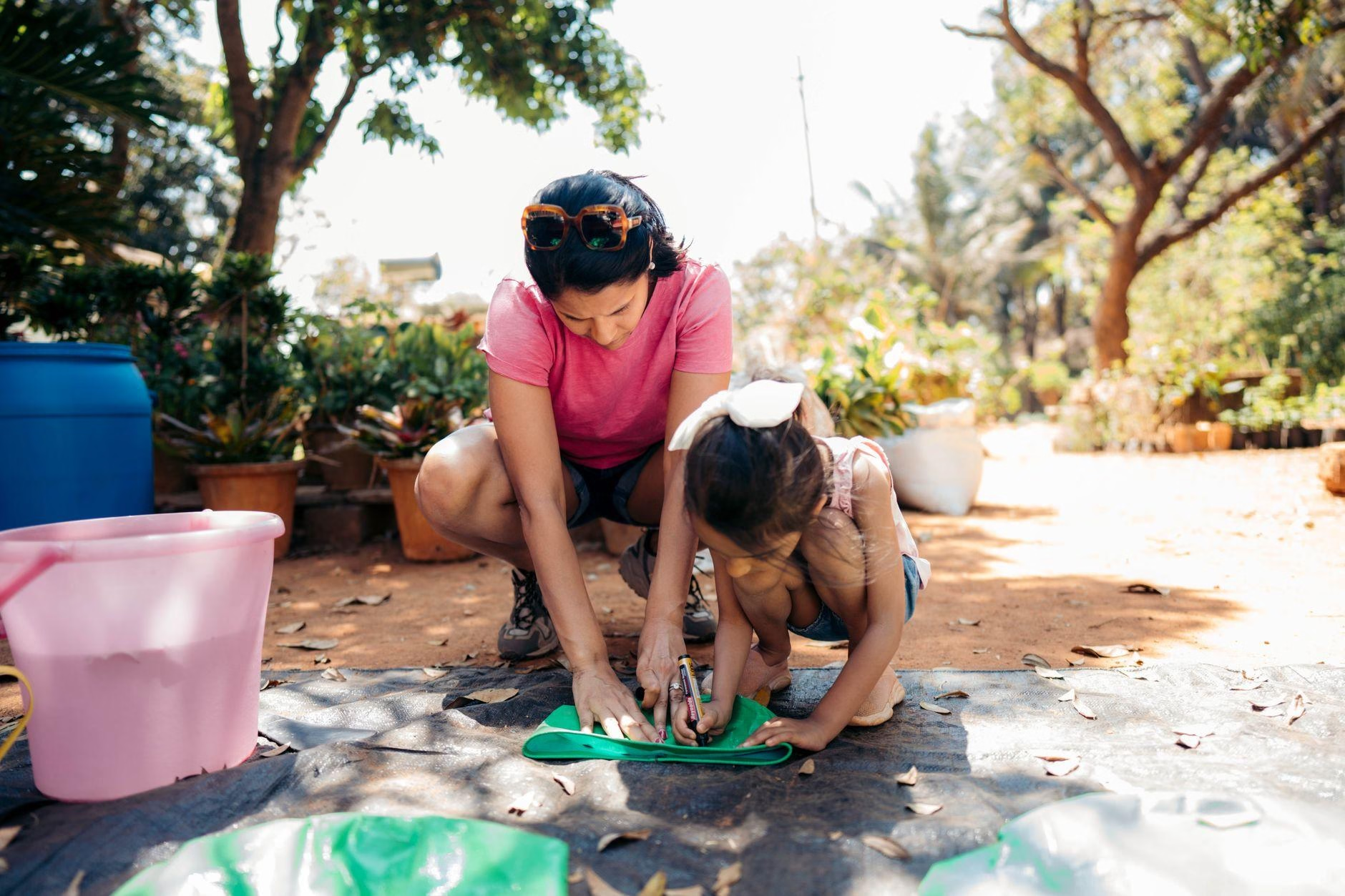
When you encounter stress, let your children see you employing healthy coping mechanisms. Instead of complaining endlessly, let them see you taking a deep breath, going for a walk, or calmly strategizing a solution. This teaches them invaluable lessons in emotional regulation.
The Power of Language: What You Say Matters
The words we use, both to our children and within their hearing, profoundly shape their inner world. Language is a powerful tool for cultivating a positive mindset.
Using Positive Affirmations Effectively with Children
Positive affirmations are concise, uplifting statements that can reprogram thought patterns. Encourage your child to say things like, “I am kind,” “I am strong,” “I can learn new things,” or “I am brave.” Make them a fun, daily ritual.
##### Crafting Age-Appropriate Affirmations
For younger children, use simple, declarative statements. For older kids, encourage them to personalize affirmations that resonate with their specific goals or challenges.
Encouraging Healthy Self-Talk: Shaping Inner Dialogue
Beyond external affirmations, teach your children the importance of their internal dialogue. Help them identify and challenge negative self-talk. If they say, “I’m bad at this,” guide them to reframe it: “I’m still learning this, and I’ll get better with practice.” This is crucial for positive self-talk for kids and developing a growth mindset in kids.



Creating a Positive Home Environment: Nurturing Growth
The physical and emotional atmosphere of your home plays a significant role in creating a positive home environment where optimism can thrive. It’s a space where children feel safe, loved, and empowered.
Routines and Predictability: A Sense of Safety and Control
Consistent routines provide children with a sense of security and predictability, reducing anxiety and freeing up mental energy for positive interactions and exploration. Knowing what to expect helps them feel more in control of their day.
Opportunities for Play and Exploration: Fueling Curiosity and Joy
Unstructured play is essential for creativity, problem-solving, and emotional release. Provide ample opportunities for children to explore, imagine, and engage in activities that bring them pure joy. This natural inclination towards curiosity is a foundation for positive engagement with the world.
Actionable Steps to Nurture a Positive Attitude in Daily Life
With a strong foundation in place, let’s explore practical, everyday activities to teach kids gratitude and optimism that you can integrate into your family life. These strategies foster specific positive traits and provide concrete tools for children to internalize.
Teaching Gratitude and Appreciation: The Heart of Positivity
Gratitude is a powerful antidote to negativity and entitlement. Cultivating appreciation for the good things in life, big and small, profoundly shifts a child’s perspective. It helps them focus on abundance rather than lack.
Gratitude Journals and Practices: Simple Daily Rituals
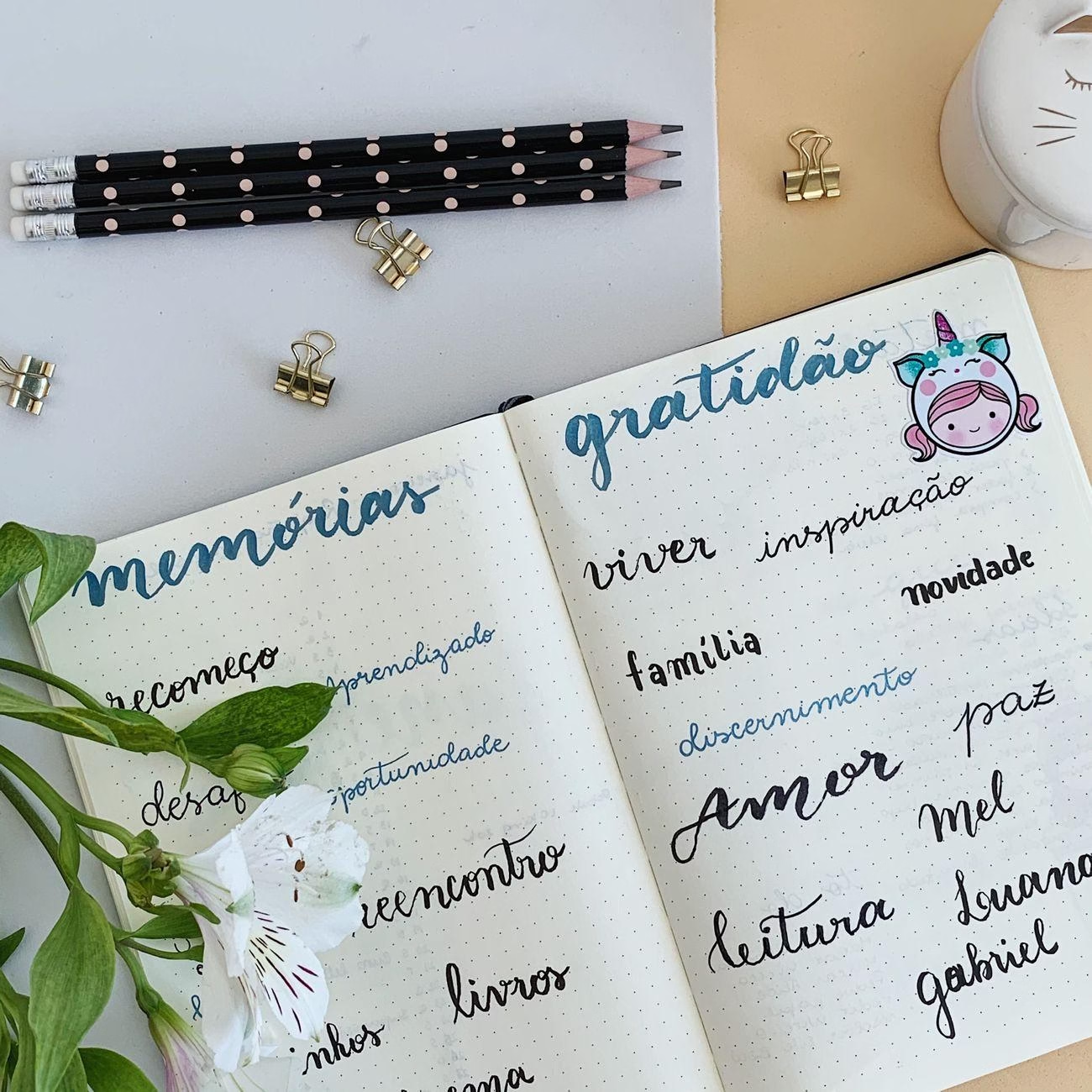
One of the most effective ways for how to teach gratitude to young children is through regular practice. Start a family gratitude jar where everyone writes down one thing they’re grateful for each day. Or, encourage your child to keep a simple gratitude journal, listing 3-5 things they appreciate before bedtime. This habit rewires their brains to notice the positive.
Acknowledging Small Wins and Everyday Joys
Point out the simple joys: “Look at that beautiful sunset!” or “Wasn’t that delicious dinner?” Celebrate their small accomplishments: “You finished your drawing, great job!” This teaches them to savor the present moment and appreciate daily blessings.
Developing Problem-Solving Skills: Empowering Autonomy
Instead of swooping in to fix every problem, empower your child to think critically and find solutions themselves. This builds confidence and competence, essential components of a positive, proactive attitude.
Encouraging Autonomy and Choice: Giving Children a Voice
Offer age-appropriate choices. “Do you want to wear the red shirt or the blue shirt?” “Do you want to clean your room before dinner or after?” This fosters a sense of agency and control, reducing feelings of helplessness.
Brainstorming Solutions Together: Collaborative Thinking
When a problem arises, resist the urge to immediately provide the answer. Instead, say, “That’s a tricky situation. What do you think we could do?” or “Let’s brainstorm some ideas together.” Guide them to consider consequences and choose the best path forward, developing their problem-solving skills for kids.
Embracing Challenges and Learning from Mistakes: The Growth Mindset
One of the most transformative concepts in child emotional development is the growth mindset. Developed by Dr. Carol Dweck, it posits that intelligence and abilities are not fixed but can grow and develop through effort and dedication.
Introducing the Growth Mindset Concept (Carol Dweck)
Explain to your children that their brain is like a muscle – the more they use it and challenge it, the stronger it gets. Frame mistakes not as failures, but as opportunities for learning and growth. Use language like, “You haven’t mastered it *yet*.”
Reframing ‘Failures’ as Learning Opportunities: A Shift in Perspective
When your child makes a mistake, instead of focusing on the error, ask: “What did you learn from this?” or “What will you try differently next time?” This teaches them resilience and an optimistic approach to challenges.
##### The Power of “Yet”
Encourage the use of the word “yet.” If a child says, “I can’t ride my bike,” respond with, “You can’t ride your bike *yet*, but with practice, you will!” This subtle linguistic shift is incredibly powerful for building resilience in children.
Fostering Empathy and Compassion: Connecting with Others
A positive attitude often goes hand-in-hand with empathy – the ability to understand and share the feelings of another. Teaching empathy to school-aged kids broadens their perspective beyond themselves, fostering kindness and connection.
Understanding Others’ Feelings: Perspective-Taking Activities
Read books and discuss how characters might be feeling. Ask questions like, “How do you think your friend felt when you shared your toy?” or “Why might that person be feeling sad?” These conversations build emotional literacy.
Acts of Kindness: Practical Applications of Empathy
Encourage regular acts of kindness, both big and small. This could be helping a sibling, making a card for a grandparent, or participating in a community service project. Experiencing the positive impact of their actions on others reinforces their own positive feelings.
Promoting Healthy Habits: Body and Mind Connection
A child’s physical well-being is inextricably linked to their emotional and mental state. Nurturing positive habits in these areas creates a strong foundation for a positive attitude.
Adequate Sleep and Nutrition: Fueling Positive Energy
Ensure your child gets sufficient, quality sleep and a balanced, nutritious diet. Lack of sleep and poor nutrition can significantly impact mood, energy levels, and emotional regulation. A well-rested and well-fed child is better equipped to handle daily stresses with a positive outlook.
Physical Activity and Mindfulness: Stress Reduction for Kids
Regular physical activity is a natural mood booster and stress reliever. Encourage outdoor play, sports, or simply dancing around the living room. Additionally, introduce simple mindfulness for kids practices.
##### Simple Breathing Exercises and Sensory Awareness
Teach them basic deep breathing techniques (“smell the flower, blow out the candle”) or engage them in sensory games like identifying five things they can see, hear, or feel. These practices help them stay grounded and present.


When Positivity is Hard: Addressing Negative Emotions and Setbacks
It’s crucial to remember that a positive attitude doesn’t mean suppressing or denying negative emotions. It means acknowledging them, understanding them, and developing healthy ways to process them. Dealing with a child with a negative attitude requires empathy and skill.
Validating Feelings: “It’s Okay Not to Be Okay”
When your child is angry, sad, or frustrated, avoid dismissing their feelings with phrases like “Don’t be sad” or “It’s not a big deal.” Instead, validate their emotions: “I see you’re really upset right now,” or “It sounds like you’re feeling frustrated.” This teaches them that all emotions are acceptable and helps them feel understood.
Active Listening and Empathic Responses
Give your child your full attention. Listen without interruption, and reflect their feelings back to them. “So you’re feeling really mad because your brother broke your toy.” This connection is vital before moving to solutions.
Teaching Healthy Coping Mechanisms: Tools for Emotional Regulation
Once feelings are validated, guide your child toward constructive ways to manage those emotions. This is the heart of coping skills for children.
Calming Corner Ideas and Sensory Tools
Create a “calm-down corner” in your home with soft pillows, books, fidget toys, or drawing supplies. Teach them to use this space when they feel overwhelmed. Sensory tools like weighted blankets or stress balls can also be helpful.
Expressing Emotions Constructively (e.g., drawing, talking)
Encourage children to express their feelings through drawing, writing, or simply talking about them. For younger children, a “feelings chart” can help them identify and communicate what they’re experiencing.
When to Seek Professional Help: Recognizing Red Flags
While cultivating positivity is powerful, sometimes a child’s struggles extend beyond what foundational strategies can address. If you notice persistent sadness, extreme negativity, severe anxiety, withdrawal from activities they once enjoyed, significant changes in sleep or appetite, or aggressive outbursts, it might be time to consult a pediatrician or child psychologist. These are potential red flags that suggest underlying issues requiring professional intervention. Early intervention can make a significant difference in a child’s long-term well-being.
The Long-Term Impact: Raising Resilient, Optimistic Adults
The effort you invest today in teaching kids a positive attitude will yield profound dividends throughout their lives. You are not just raising happy children; you are cultivating future adults who are equipped to navigate complexities, contribute meaningfully to society, and lead fulfilling lives.
Equipping Children for Future Success and Happiness
Children who develop a positive attitude and strong coping skills are more likely to succeed academically, professionally, and personally. They approach challenges with determination, build robust support networks, and maintain a sense of purpose and joy, contributing to the long-term benefits of a positive childhood attitude.
Building Stronger Family Bonds Through Shared Positivity
As you implement these strategies, you’ll also find that your family becomes a more cohesive, supportive, and joyful unit. Shared gratitude practices, collaborative problem-solving, and open emotional communication strengthen familial bonds and create a positive legacy that extends through generations.
Conclusion: Empowering Your Child’s Bright Future

Raising optimistic children is not about painting a falsely rosy picture of the world, but about equipping them with the lenses to see beauty, the tools to build solutions, and the resilience to weather any storm. It is an ongoing journey, one that requires patience, consistency, and above all, love.
Recap of Key Strategies: Your Roadmap to Raising Optimistic Children
We’ve covered a spectrum of essential strategies, from modeling positive behavior and harnessing the power of language to fostering gratitude, problem-solving, and a growth mindset. Remember to embrace challenges, nurture empathy, prioritize healthy habits, and provide a safe space for all emotions.
Encouragement for Parents: You Are Their Greatest Guide
Your presence, your example, and your consistent efforts are the most powerful influences in your child’s life. Be patient with yourself and with them. Every small step toward positivity creates a ripple effect, building a stronger, happier foundation for their future.
Your Next Step: Begin Today
Don’t wait for the perfect moment. Choose one strategy from this guide that resonates with you and your family, and implement it today. Whether it’s starting a gratitude practice, reframing a “failure” as a learning opportunity, or simply modeling a more positive response to a daily stressor, every action counts. Empower your child with the gift of optimism, and watch them thrive.
—
Frequently Asked Questions
01
How old should my child be to start teaching them positive attitudes?
▼
02
What if I struggle with a positive attitude myself? Can I still teach my child?
▼
03
How do I respond when my child says, “I can’t do it?”
▼
04
Are there any specific books or resources you recommend for parents?
▼
05
How can I encourage my child to show gratitude without making it feel forced?
▼
06
What’s the difference between a positive attitude and being unrealistic?
▼
07
How can I protect my child’s positive attitude from negative influences?
▼
08
What are common mistakes parents make when trying to teach positivity?
▼
09
How can I tell if my child is genuinely optimistic or just trying to please me?
▼
010
When should I be concerned that my child’s negative attitude needs professional intervention?
▼
Recommended Reading
-
The Ultimate Guide to Positive Parenting: Techniques and Benefits
→
-
Building Resilience in Children: A Parent’s Handbook
→
-
Mindfulness for Kids: Simple Practices for Calm and Focus
→
-
Teaching Emotional Intelligence to Children: A Step-by-Step Approach
→
-
Age-Appropriate Discipline: Nurturing Good Behavior
→
-
Understanding and Cultivating a Growth Mindset in Your Child
→
-
Activities to Boost Your Child’s Self-Esteem and Confidence
→
-
Navigating Sibling Rivalry with Empathy and Fair Play
→
-
The Importance of Play: How Unstructured Play Benefits Child Development
→
-
Expert Tips for Managing Stress and Anxiety in Children
→
SOURCES Verified External Citations
- American Academy of Pediatrics (AAP): For general child development, emotional well-being, and health guidelines. (e.g., healthychildren.org)
- Positive Psychology Center, University of Pennsylvania: For research and concepts related to optimism, resilience, and well-being. (e.g., ppc.sas.upenn.edu)
- The Child Mind Institute: For resources on child mental health, emotional regulation, and specific challenges. (e.g., childmind.org)
- National Association for the Education of Young Children (NAEYC): For insights into early childhood development and social-emotional learning. (e.g., naeyc.org)
- Carol Dweck’s Mindset Works (or Stanford University’s research): For information directly related to the Growth Mindset concept. (e.g., mindsetonline.com or psychology.stanford.edu/people/carol-s-dweck)