


Cultivating a Safe & Loving Home
Introduction: The Heart of a Happy Home
Home. It’s more than just a physical address; it’s the epicenter of our lives, the place where memories are forged, lessons are learned, and hearts are healed. In a world that often feels chaotic and unpredictable, the desire for a safe and loving home environment isn’t just a luxury—it’s a fundamental human need. It’s where we seek solace, security, and a deep sense of belonging. But what does it truly mean to cultivate such a space, and how do we actively build a home that radiates warmth, trust, and unwavering support?
Beyond Walls: What Defines a Truly Safe & Loving Environment
When we speak of a safe and loving home, we’re extending beyond the tangible aspects of sturdy walls and secure locks. While physical safety is paramount, a truly nurturing family environment encompasses layers of emotional security, mutual respect, and profound connection. It’s a place where every individual feels seen, heard, and valued—a haven where vulnerabilities are met with empathy, and personal growth is celebrated. It’s about establishing *family harmony* that resonates in every interaction, every shared moment, and even every disagreement. It’s a conscious construction, built day by day, on pillars of intentionality and care.
Why a Nurturing Home is Crucial for Everyone’s Well-being
The impact of a nurturing home environment cannot be overstated. It acts as a protective shield and a launching pad, shaping individuals from their earliest days and continuing to influence them throughout their lives. It’s the bedrock upon which emotional resilience and strong character are built.
Impact on Children’s Development
For children, a safe and loving home is nothing short of vital. It provides the psychological safety necessary for healthy brain development, allowing them to explore, learn, and express themselves without fear. Children raised in such environments tend to develop higher self-esteem, better social skills, and greater academic success. They learn emotional regulation, problem-solving, and the foundational aspects of healthy relationships, understanding instinctively what *emotional safety in relationships* truly means.
Benefits for Adult Relationships & Stress Reduction
Adults, too, thrive in a supportive household. A positive home atmosphere serves as a critical buffer against the stresses of the outside world, promoting mental clarity and reducing anxiety. It strengthens spousal and parental relationships, fostering deeper intimacy and mutual support. When home is a sanctuary, it empowers adults to be more present, resilient, and effective in all aspects of their lives, leading to overall family well-being.
Pillar 1: Establishing Physical Safety – The Foundation of Trust
Before emotional bonds can fully flourish, the physical space itself must provide an undeniable sense of security. This is the tangible proof of care and responsibility, forming the bedrock of trust within the family.
Securing Your Space: Locks, Alarms & Emergency Preparedness
Ensuring the physical integrity of your home is the first step in *creating a supportive home*. This involves practical measures that safeguard your family against external threats and unforeseen incidents.
Home Security Systems
Invest in reliable locks for all doors and windows, and consider a home security system. These systems, ranging from simple alarms to comprehensive smart home integration, can deter intruders and provide peace of mind. Regularly check batteries in smoke detectors and carbon monoxide alarms, ensuring they are always in working order.
Emergency Plans & Drills
Prepare for emergencies by developing a family escape plan for fires, natural disasters, or other critical events. Designate a safe meeting point outside your home. Practice these drills regularly so every family member knows exactly what to do, reducing panic should a real emergency arise. Prepare an emergency kit with essentials like first aid supplies, water, non-perishable food, and important documents.
Eliminating Hazards: Childproofing, Maintenance & Cleanliness
A safe home is also one free from internal dangers, requiring proactive measures and ongoing vigilance.
Child Safety Measures
For families with young children, childproofing is non-negotiable. This means securing cabinets with locks, covering electrical outlets, installing gates at stairways, and ensuring all toxic substances are out of reach. Regularly inspect toys and furniture for broken parts or choking hazards. *Creating a child-friendly environment* involves seeing your home through a child’s eyes, anticipating potential dangers before they become problems.


Regular Home Maintenance
Proactive maintenance prevents accidents. Address leaky pipes to avoid slips and mold, repair wobbly railings, and keep pathways clear of clutter. Ensure proper lighting in all areas, especially stairwells. These seemingly small tasks contribute significantly to overall home safety.
Cleanliness and Hygiene
Maintaining a clean home environment is crucial for health and comfort. Regular cleaning prevents the buildup of allergens, germs, and pests, contributing to a healthier living space. Involve family members in age-appropriate chores, fostering a shared responsibility for the home’s well-being.
Creating a Sense of Order and Predictability
Beyond physical hazards, a sense of chaos can also undermine security. Order and predictability create a calming backdrop for family life.
The Power of Routines and Schedules
Consistent routines for meals, bedtime, and chores provide structure, particularly beneficial for children who thrive on predictability. Knowing what to expect reduces anxiety and fosters a sense of stability. These routines become gentle rhythms that anchor family life.
Organized Spaces for Reduced Stress
Clutter can be a silent stressor. Regularly decluttering and organizing spaces helps create a more serene and functional home. When everything has its place, it simplifies daily life, reduces friction, and contributes to a *peaceful living environment*.
Pillar 2: Building Emotional Security & Trust – The Invisible Walls of Love
While physical safety protects the body, emotional security protects the heart and mind. This pillar is about fostering a psychological environment where every family member feels safe to be their authentic self.
Open Communication: Listening Actively & Expressing Feelings
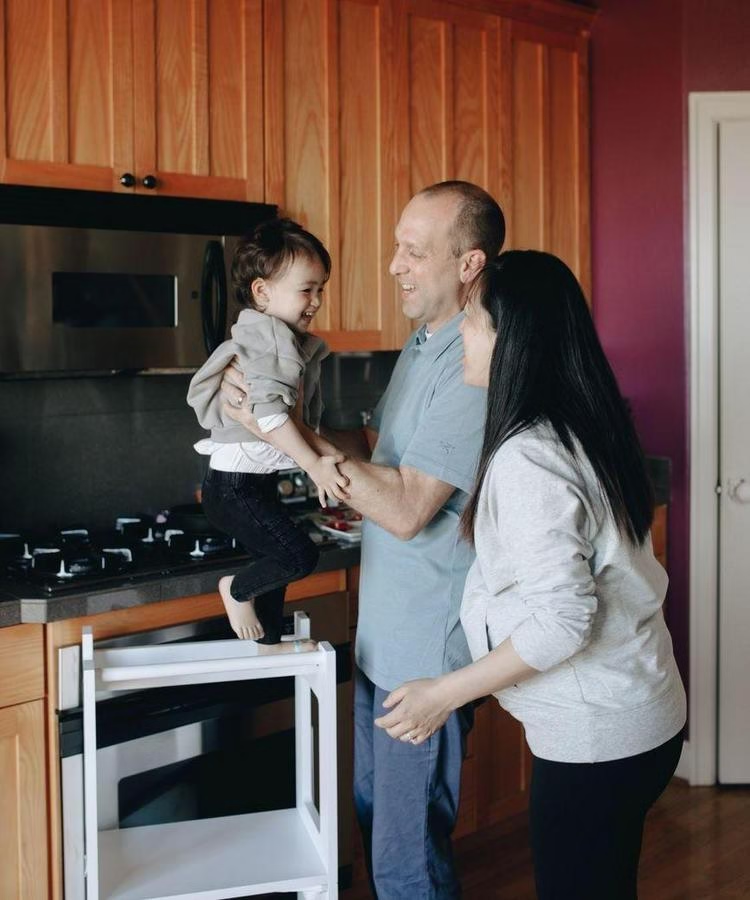
Communication is the lifeblood of healthy family relationships. It’s not just about talking, but about truly connecting.
Active Listening Techniques
Cultivate a culture where listening is prioritized over formulating a response. Teach family members to give their full attention, ask clarifying questions, and reflect back what they’ve heard. This validates the speaker’s feelings and ensures understanding, forming the core of *effective communication family*.
“I” Statements for Expressing Needs
Encourage the use of “I” statements (“I feel frustrated when X happens” instead of “You always make me frustrated”). This helps individuals express their feelings and needs without blaming others, leading to more constructive dialogue and less defensiveness.
Creating Safe Spaces for Difficult Conversations
Designate specific times or spaces where family members know they can bring up challenging topics without interruption or immediate judgment. This might be a weekly family meeting or a quiet moment with a parent. The goal is to ensure everyone feels comfortable sharing their honest thoughts and emotions, even if they are uncomfortable.
Validation & Empathy: Making Everyone Feel Heard and Understood
Feeling understood is a powerful antidote to loneliness and isolation within a family. Validation doesn’t mean agreeing; it means acknowledging another’s emotional experience.
Acknowledging Emotions Without Judgment
When a family member expresses a strong emotion, respond with phrases like, “I can see you’re feeling really angry about this,” or “It sounds like you’re going through a tough time.” This simple act of acknowledging their feelings, without attempting to fix or dismiss them, builds immense trust and *emotional security at home*.
Teaching Empathy to Children
Model empathetic responses and encourage children to consider others’ perspectives. Read books that explore emotions, discuss how characters might be feeling, and prompt them to think about how their actions impact others. Empathy is a learned skill, crucial for a *positive home atmosphere*.
Respecting Boundaries: Fostering Individual Space & Choices
Healthy boundaries are not walls that separate, but rather guidelines that define and protect individual needs and personal space within the family unit.
Defining Personal & Family Boundaries
Each family member has a right to their own physical and emotional space, their privacy, and their decisions. Discuss and define these boundaries explicitly. This could involve rules about knocking on closed doors, respecting personal belongings, or having alone time.
Communicating and Upholding Boundaries
Once established, boundaries must be clearly communicated and consistently upheld by everyone. This requires mutual respect and understanding that boundaries benefit everyone by fostering autonomy and preventing resentment. It’s a key aspect of *respectful family dynamics*.
The Importance of Privacy
Respecting individual privacy, especially for teenagers, is crucial. This builds trust and demonstrates that you value their burgeoning independence. While oversight is necessary, an atmosphere of constant surveillance can breed resentment and erode the sense of emotional safety.
Pillar 3: Cultivating Love & Connection – Nurturing the Family Heart
Love is the fuel that powers a nurturing home. It’s expressed not just in words, but in shared experiences, thoughtful actions, and the way we navigate challenges together.
Shared Experiences: Family Traditions, Meals & Activities
Building a robust family connection comes from creating shared memories and dedicated time together.
The Magic of Family Rituals
Establish regular family traditions, whether it’s a weekly game night, a specific holiday celebration, or a Sunday morning pancake ritual. These rituals create anchors in time, foster a sense of belonging, and become cherished memories. They are integral to *building family connection*.
Dedicated Family Time
Make time for unstructured, quality family time. This could be simply hanging out, going for walks, or pursuing a hobby together. The key is presence and engagement, free from distractions. Even a few minutes of focused attention can make a significant difference.
Learning and Growing Together
Engage in activities that allow for collective learning and growth, whether it’s visiting museums, exploring nature, cooking new recipes, or working on a community project. These shared pursuits broaden horizons and strengthen bonds.
Affection & Appreciation: Showing Love in Words & Actions
Love needs to be seen and felt. Regular expressions of affection and appreciation reinforce feelings of worth and belonging.
Words of Affirmation and Encouragement
Regularly express appreciation and praise for family members. Acknowledge their efforts, achievements, and positive qualities. Simple phrases like “I love you,” “I’m proud of you,” or “Thank you for your help” can have a profound impact on individual self-esteem and overall *family well-being*.
Acts of Service and Thoughtful Gestures
Show love through actions—doing a chore for someone, making their favorite meal, or offering practical help without being asked. Small, thoughtful gestures demonstrate care and make others feel seen and valued.
Physical Touch and Quality Time
For many, physical touch (hugs, cuddles, a hand on the shoulder) and quality time are essential expressions of love. Understand and respect each family member’s “love language” to ensure your expressions of love are received effectively.
Constructive Conflict Resolution: Healthy Ways to Disagree & Reconnect
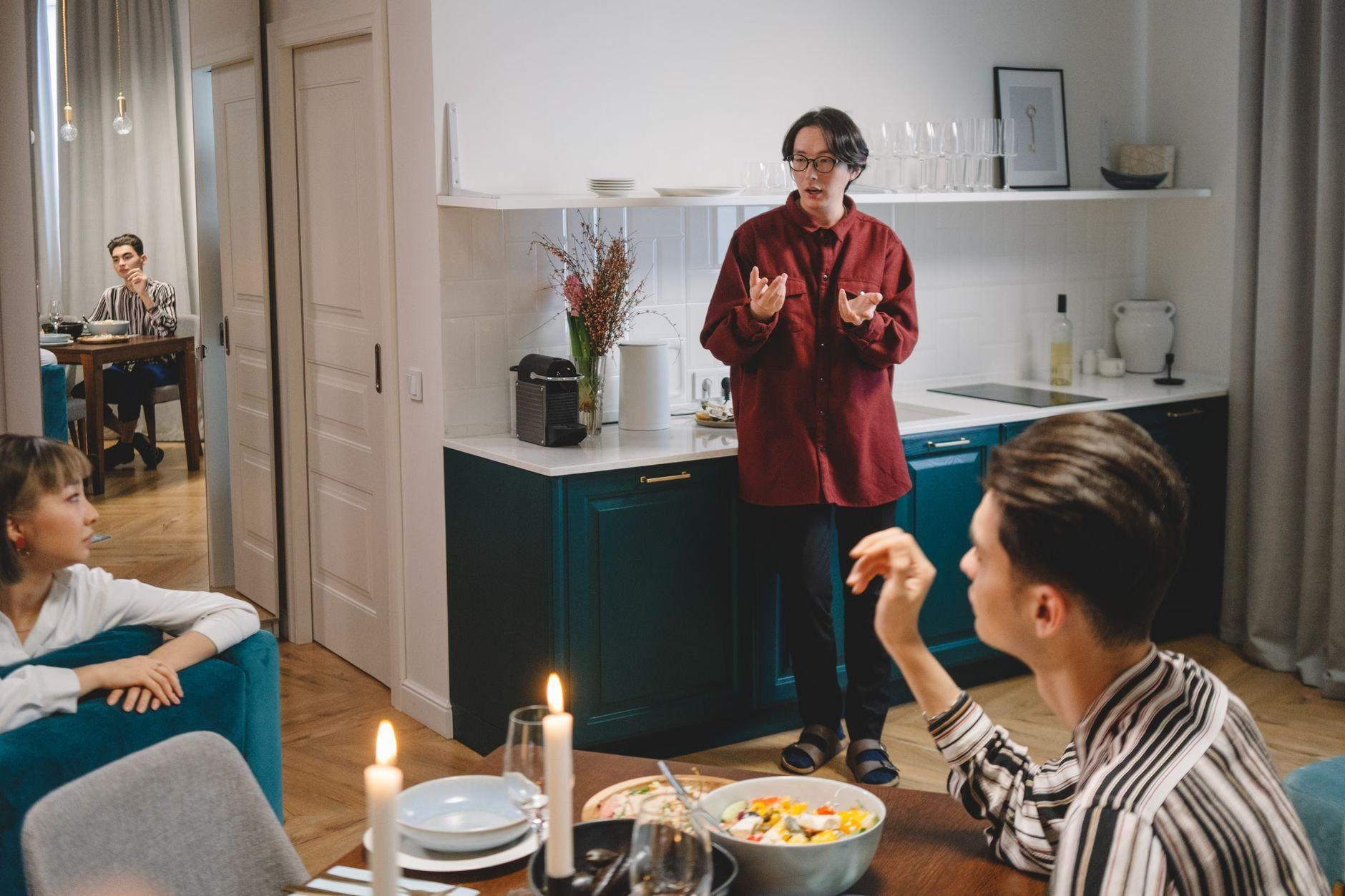
Conflict is an inevitable part of family life. What truly matters is how it’s handled. A loving home teaches healthy *conflict resolution at home*.
Teaching Problem-Solving Skills
Instead of avoiding conflict, teach family members to approach disagreements as opportunities for problem-solving. Encourage brainstorming solutions together, negotiating, and finding common ground.
Fair Fighting Rules
Establish guidelines for disagreements: no name-calling, no bringing up past issues, focus on the present problem, and take breaks if emotions run too high. The goal is to resolve the issue, not to win an argument or inflict pain.
Repairing Relationships After Conflict
Crucially, teach the importance of repair. This means apologizing sincerely, accepting apologies, and making an effort to reconnect after a disagreement. The ability to forgive and move forward is essential for long-term *family harmony* and resilience.
Pillar 4: Fostering a Positive & Supportive Atmosphere – The Environment for Growth
Beyond safety, trust, and connection, a truly thriving home actively supports personal growth, manages stress, and inspires joy.
Managing Stress: Creating Calm & Resilience
Stress is a constant in modern life. A nurturing home equips its members with tools to manage it effectively.
Parental Self-Care as a Foundation
Parents cannot pour from an empty cup. Prioritizing parental self-care—whether it’s quiet time, exercise, or hobbies—is not selfish; it’s essential for maintaining patience, energy, and a calm demeanor that ripples through the entire household. It allows you to model effective *stress reduction home* strategies.
Mindfulness and Relaxation Techniques
Introduce mindfulness practices, deep breathing exercises, or simple meditation into family routines. These techniques can help individuals, especially children, manage overwhelming emotions and promote a sense of calm. Create quiet zones where family members can decompress.


Developing Family Resilience
Teach family members to view challenges not as roadblocks, but as opportunities for growth. Encourage a positive outlook, foster adaptability, and celebrate perseverance. A resilient family bounces back stronger from adversity, together.
Encouraging Growth: Supporting Hobbies, Learning & Individual Passions
A loving home celebrates the unique contributions and aspirations of each family member.
Celebrating Individuality
Recognize and affirm each person’s unique personality, talents, and interests. Avoid comparisons between siblings and foster an environment where everyone feels free to pursue their passions, even if they differ from your own. This is key to *empowering family members*.
Providing Opportunities for Exploration
Offer diverse opportunities for learning and exploration, both within and outside the home. This could involve access to books, art supplies, musical instruments, sports, or educational outings. Support their curiosity and encourage experimentation.
Encouraging Autonomy and Responsibility
As children grow, gradually increase their responsibilities and opportunities for making age-appropriate decisions. This builds confidence, fosters independence, and teaches valuable life skills. A supportive home empowers rather than over-protects.
Designing Spaces: Comfort, Coziness & Personalization
The physical design of your home can significantly influence its atmosphere and the mood of its occupants.
Creating Designated Zones
Think about how different areas of your home can serve specific purposes: a cozy reading nook, a lively play area, a quiet workspace, or a designated family gathering spot. Clearly defined zones can reduce clutter and promote different activities.
Incorporating Personal Touches
Allow each family member to personalize their own space, even if it’s just a corner of a shared room. Display family photos, artwork, and cherished objects that tell your family’s story and evoke positive memories. This contributes to a truly *home sanctuary ideas* aesthetic.
The Role of Light, Sound, and Scent
Pay attention to sensory details. Natural light, soft lighting, comforting scents (like essential oils or fresh baking), and pleasant sounds (music, gentle nature sounds) can profoundly impact mood and create a welcoming, soothing ambiance. Minimize harsh lighting and excessive noise.
Sustaining Your Loving Home Environment: Long-Term Strategies
Cultivating a safe and loving home is not a one-time project, but an ongoing commitment. It requires vigilance, adaptability, and sometimes, a willingness to seek external guidance.
Regular Check-ins: Adapting to Changes & Needs
Families evolve, and so too must the environment that nurtures them.
Family Meetings for Open Dialogue
Institute regular family meetings as a forum for open discussion. This is where you can talk about upcoming events, address concerns, celebrate successes, and collaboratively solve problems. It ensures everyone feels invested in the *healthy home environment*.
Adjusting to Life Stages
Recognize that the needs of a toddler are different from a teenager, an empty nester, or a multi-generational household. Be flexible and willing to adapt your strategies and routines as your family members grow and circumstances change.
Seeking External Support: When and How to Ask for Help
It’s a sign of strength, not weakness, to seek professional guidance when family challenges feel overwhelming.
Family Therapy and Counseling
If communication breaks down, conflict becomes chronic, or a family member is struggling significantly, consider family therapy. A professional can provide objective perspectives, teach new coping mechanisms, and facilitate healthier interactions.
Parenting Support Groups and Resources
Connect with other parents through support groups, workshops, or online communities. Sharing experiences and learning from others can provide invaluable insights and a sense of solidarity, bolstering your *positive parenting strategies*.
Leading by Example: Modeling the Behavior You Wish to See
Ultimately, the most powerful tool for cultivating a safe and loving home is your own behavior.
Demonstrating Emotional Intelligence
Model emotional intelligence by acknowledging your own feelings, managing your reactions, and apologizing when you make mistakes. Show, don’t just tell, what healthy emotional expression looks like.
Practicing What You Preach
Live the values you wish to instill. If you preach respect, demonstrate it. If you advocate for kindness, be kind. Your actions speak louder than any words in shaping the family culture and reinforcing the *supportive household culture*.
Conclusion: Your Home, Your Sanctuary
Creating a safe and loving home is perhaps the most profound legacy we can build. It’s an active, ongoing process that demands intention, empathy, and resilience. From the physical security of your living spaces to the intricate dance of emotional connection and open communication, every effort contributes to a richer, more fulfilling family life.
Recap of Key Principles
We’ve explored the four pillars: establishing physical safety, building emotional security, cultivating love and connection, and fostering a positive atmosphere. Each pillar interlocks, forming a robust framework for *developing family resilience* and joy. Remember the importance of active listening, respecting boundaries, creating shared experiences, and embracing healthy conflict resolution.
A Continuous Journey of Love
Understand that this journey is continuous, filled with learning, adaptation, and unwavering love. There will be challenges, but with commitment, your home can evolve into a true sanctuary—a place where every individual feels protected, cherished, and free to thrive. Your effort in *cultivating a safe & loving home* isn’t just for today; it’s for a lifetime of well-being for everyone under your roof.
Strong Call-to-Action
Begin today by identifying one small, actionable step you can take in each of these four pillars. Start a new family tradition, implement a basic safety check, practice active listening during dinner, or set a personal boundary. Your home deserves to be your sanctuary—a place where love truly lives. Embrace the journey, and watch your family flourish. What single change will you make to strengthen your family’s foundation?
Frequently Asked Questions
01
What is a ‘safe and loving home environment’?
▼
02
Why is a nurturing home crucial for children?
▼
03
How can I improve communication in my family?
▼
04
What are some practical ways to build emotional safety at home?
▼
05
How do families resolve conflict peacefully?
▼
06
What role do routines play in a nurturing home?
▼
07
How can parents manage their own stress to benefit the family?
▼
08
What is the importance of family traditions?
▼
09
When should a family seek professional help?
▼
010
How does physical safety contribute to a loving home?
▼
Recommended Reading
-
The Ultimate Guide to Effective Family Communication
→
-
Positive Parenting: Strategies for Raising Resilient Children
→
-
Building Emotional Intelligence in Your Family
→
-
How to Master Conflict Resolution for Healthier Relationships
→
-
Creating a Child-Friendly Home: Safety and Fun Combined
→
-
The Power of Family Traditions: Building Lasting Memories
→
-
Mindfulness for Families: Bringing Calm to Your Home
→
-
Setting Healthy Boundaries: A Guide for Parents and Kids
→
-
Boosting Family Resilience: Thriving Through Life’s Challenges
→
-
Declutter Your Home, Declutter Your Mind: A Family Approach
→
SOURCES Verified External Citations
- American Academy of Pediatrics (AAP)
- Centers for Disease Control and Prevention (CDC) – Child Development
- National Institute of Mental Health (NIMH)
- Parenting for a Digital Future (London School of Economics and Political Science)
- The Gottman Institute (for relationship research and communication)
- Child Trends (research on child and youth well-being)