


⚡ AT A GLANCE
Natural Remedies That Work: Holistic Health Guide
The quest for well-being is as old as humanity itself, yet in our modern world, there’s a growing resurgence of interest in ancient wisdom and holistic approaches to health. From the gentle efficacy of herbal teas to the profound impact of lifestyle adjustments, more and more people are turning to natural remedies to address everyday ailments and foster a deeper sense of vitality. This isn’t about rejecting conventional medicine, but rather embracing a complementary path that often focuses on prevention, gentle support, and nurturing the body’s innate healing capabilities.
Understanding Natural Remedies: A Holistic Approach
In a world brimming with quick-fix pills and complex medical jargon, the simplicity and intuitive nature of natural remedies offer a refreshing alternative. But what makes them “natural,” and why are they becoming such a central part of many people’s wellness journeys?
What Exactly Are Natural Remedies?
Natural remedies encompass a broad spectrum of healing modalities rooted in nature. Historically, before modern pharmaceuticals, all medicine was, in essence, natural medicine. Ancient civilizations across the globe—from Chinese and Ayurvedic traditions to Indigenous practices—relied on the healing power of plants, minerals, and mindful living to treat illnesses and maintain health.
- Today, natural remedies can be broadly categorized into several types:
- Herbal Remedies: Utilising plants or plant extracts for medicinal purposes. This includes teas, tinctures, capsules, and topical applications derived from leaves, flowers, roots, or bark.
- Nutritional Therapies: Emphasizing the power of food as medicine, including specific dietary changes, supplementation with vitamins and minerals, and the use of whole, unprocessed foods to support bodily functions.
- Lifestyle Interventions: Recognizing the profound impact of daily habits on health, such as regular exercise, adequate sleep, stress management techniques (like meditation), and exposure to nature.
- Essential Oils: Highly concentrated plant extracts used for aromatherapy or diluted for topical application, known for their therapeutic properties that can affect mood, pain, and various bodily systems.
- Homeopathic Solutions: A distinct system of medicine based on the principle of “like cures like,” using highly diluted substances to stimulate the body’s self-healing response.
The Appeal and Benefits of Natural Healing
The growing embrace of natural healing isn’t just a trend; it’s a reflection of deeper societal shifts towards greater personal responsibility for health and a desire for treatments that work in harmony with the body.
One of the primary appeals is that natural remedies are often gentle on the body and typically present fewer side effects compared to synthetic drugs. While not entirely without risk (and we’ll discuss safety later), many natural solutions work subtly to restore balance, reducing the likelihood of adverse reactions when used appropriately.
Furthermore, natural healing focuses on addressing root causes, not just symptoms. Instead of merely suppressing a headache, a holistic approach might explore dietary triggers, stress levels, or nutrient deficiencies that contribute to its recurrence. This deeper investigation often leads to more sustainable and comprehensive health improvements.
Finally, integrating natural remedies into your routine can be an incredibly empowering form of self-care. Learning about herbs, understanding your body’s signals, and taking proactive steps to support your health fosters a sense of agency and connection to your well-being. It transforms health from a reactive response to a proactive, informed journey.


Top Natural Remedies for Common Health Problems
Navigating the world of natural remedies can seem daunting, but many common ailments respond remarkably well to simple, accessible solutions. Here’s a guide to some of the most effective natural approaches for everyday health issues.
1. Headaches & Migraines
Headaches, from mild tension to debilitating migraines, are a pervasive issue. Natural remedies can offer significant relief and even help with prevention.
- Peppermint Oil for Tension Headaches: Diluted peppermint essential oil, when massaged into the temples and forehead, can provide a cooling sensation and help relax tense muscles. Its menthol content is thought to have analgesic properties.
- * *Application:* Mix 2-3 drops of pure peppermint oil with a teaspoon of a carrier oil (like jojoba or almond oil) before applying.
- Ginger for Migraine Relief: Ginger, a potent anti-inflammatory, can be as effective as some over-the-counter medications for acute migraine pain. It helps reduce nausea, a common migraine symptom.
- * *Application:* Brew strong ginger tea using fresh ginger slices, or take ginger capsules at the onset of symptoms.
- Magnesium Supplementation for Prevention: Many individuals prone to migraines have magnesium deficiencies. Regular magnesium intake can reduce the frequency and intensity of migraine attacks.
- * *Expert Tip:* Consult a doctor before starting any supplement, but typically 200-400mg of magnesium citrate or glycinate daily can be beneficial.

2. Cold & Flu Symptoms
When seasonal sniffles and aches strike, several natural remedies can bolster your immune system and ease symptoms.
- Echinacea for Immune Support: This popular herb is well-regarded for its immune-stimulating properties. Taken at the first sign of a cold, it may help your body fight off infection.
- * *Best Practice:* Start taking echinacea at the very beginning of symptoms for optimal effect.
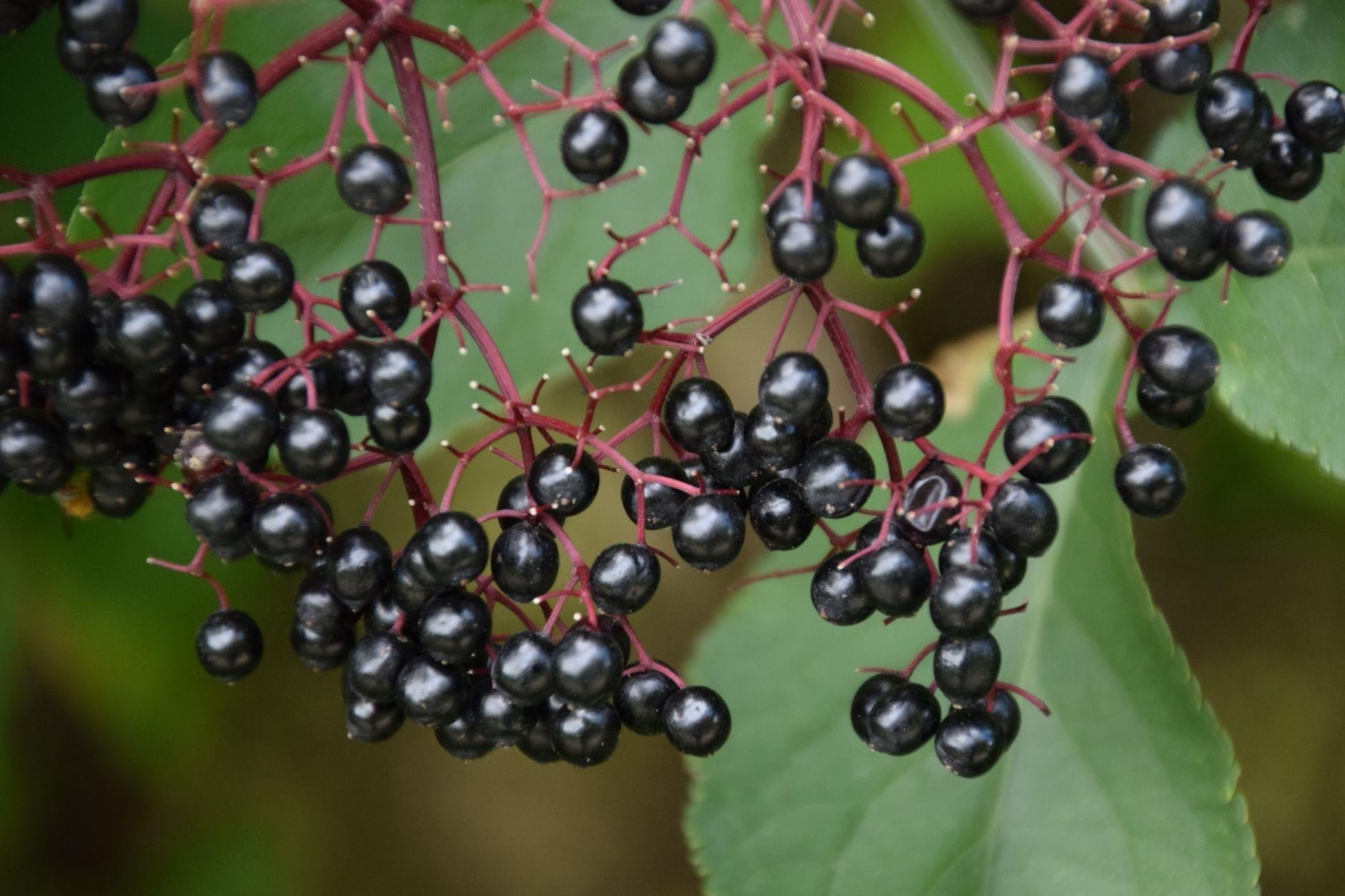
- Elderberry Syrup to Shorten Duration: Elderberry is packed with antioxidants and has antiviral properties that can help reduce the severity and duration of cold and flu symptoms.
- * *Usage:* Often available as a tasty syrup, making it suitable for both adults and children.
- Honey and Lemon for Sore Throats: A timeless remedy, honey coats the throat, reducing irritation, while lemon provides vitamin C and can help thin mucus.
- * *Simple Recipe:* Mix a tablespoon of honey with the juice of half a lemon in a mug of warm water.
- Zinc for Fighting Infection: Zinc plays a crucial role in immune function. Supplementing with zinc lozenges or syrup can reduce the duration and severity of colds if taken within 24 hours of symptom onset.
- * *Caution:* Avoid prolonged high doses of zinc, as it can interfere with copper absorption.
3. Digestive Issues (Bloating, Indigestion, Heartburn)
Discomfort in the gut is common, but natural solutions can bring considerable relief.
- Ginger Tea for Nausea and Indigestion: Ginger’s carminative properties help relax the digestive tract, easing nausea, bloating, and indigestion.
- Peppermint Tea for Bloating and Gas: Peppermint oil has antispasmodic effects that can relax the muscles of the digestive system, reducing gas and bloating.
- Apple Cider Vinegar (ACV) for Heartburn (use with caution): For some, a small amount of diluted ACV before meals can help balance stomach acid.
- * *Important:* Use with caution. Always dilute ACV extensively (1-2 tablespoons in a full glass of water) and rinse your mouth afterward to protect tooth enamel. It’s not for everyone and can worsen symptoms for some.
- Probiotics for Gut Health: A healthy gut microbiome is fundamental to digestion. Probiotic supplements or fermented foods (like kimchi, yogurt, kefir) introduce beneficial bacteria that can alleviate issues like bloating, constipation, and diarrhea.
4. Stress & Anxiety
The demands of modern life often lead to stress and anxiety, but natural approaches can help restore calm and balance.
- Chamomile Tea for Relaxation: Renowned for its mild sedative properties, chamomile tea can help calm nerves and promote relaxation.
- Lavender Essential Oil for Calming Effects: Inhaling lavender essential oil (through a diffuser or a drop on a tissue) can significantly reduce feelings of anxiety and promote a sense of tranquility.
- * *Use Case:* Diffuse lavender in your bedroom before sleep or apply a diluted drop to pulse points.
- Adaptogens (e.g., Ashwagandha) for Stress Management: Adaptogenic herbs help the body adapt to stress, normalizing physiological processes. Ashwagandha, in particular, has been shown to reduce cortisol levels and improve resilience to stress.
- Meditation and Deep Breathing Techniques: These practices aren’t remedies in a bottle but powerful tools that directly impact the nervous system, reducing the “fight or flight” response and fostering a state of calm.
- * *Actionable Tip:* Even 5-10 minutes of focused deep breathing daily can make a noticeable difference.


5. Sleep Problems (Insomnia)
Restorative sleep is crucial for overall health. If you struggle with insomnia, consider these natural aids.
- Valerian Root for Promoting Sleep: This herb is a well-studied natural sedative that can improve sleep quality and reduce the time it takes to fall asleep.
- * *Consideration:* Valerian can have a distinct earthy smell, but it’s generally well-tolerated.
- Magnesium for Muscle Relaxation and Sleep Quality: As mentioned for headaches, magnesium also plays a role in relaxing muscles and calming the nervous system, which are crucial for restful sleep.
- Tart Cherry Juice for Natural Melatonin: Tart cherries are one of the few natural food sources of melatonin, a hormone that regulates the sleep-wake cycle. Consuming tart cherry juice can aid in improving sleep duration and quality.
- Establishing a Consistent Sleep Routine: Beyond supplements, foundational habits like going to bed and waking up at the same time daily, creating a dark, cool, quiet sleep environment, and avoiding screens before bed are paramount.
6. Minor Aches & Pains (Joint, Muscle)
Whether from exercise, minor injury, or chronic conditions, aches and pains can be debilitating.
- Turmeric for Anti-Inflammatory Properties: Curcumin, the active compound in turmeric, is a powerful anti-inflammatory. It can be taken as a supplement or incorporated into diet to help reduce joint and muscle pain.
- * *Expert Insight:* Bioavailability of curcumin is enhanced when consumed with black pepper (piperine).
- Arnica Cream for Bruising and Muscle Soreness: Topical arnica preparations are widely used to reduce pain, swelling, and bruising from minor injuries.
- * *Caution:* Do not apply arnica to broken skin.
- Epsom Salt Baths for Muscle Relaxation: Soaking in a warm bath with Epsom salts (magnesium sulfate) can help relax muscles, reduce soreness, and soothe minor aches. Magnesium is readily absorbed through the skin.
- Heat and Cold Therapy: Simple yet effective. Heat (e.g., a warm compress or bath) increases blood flow and relaxes muscles, while cold (e.g., an ice pack) reduces inflammation and numbs pain.
7. Skin Irritations (Acne, Eczema, Dry Skin)
Our skin is often a reflection of internal health, but topical natural remedies can also provide significant relief for various irritations.
- Tea Tree Oil for Acne (diluted): Known for its antiseptic and anti-inflammatory properties, diluted tea tree oil can be an effective spot treatment for acne.
- * *Application:* Always dilute tea tree oil with a carrier oil (like jojoba or aloe vera gel) before applying to avoid irritation.
- Aloe Vera for Soothing Sunburn and Irritations: The gel from the aloe vera plant is famous for its cooling, anti-inflammatory, and healing properties, making it excellent for sunburns, minor cuts, and skin irritations.
- Oatmeal Baths for Eczema and Dry Skin: Colloidal oatmeal (finely ground oats) has anti-inflammatory and antioxidant properties that can soothe itchy, dry, and irritated skin, common with eczema.
- Coconut Oil for Moisturizing: A versatile natural moisturizer, coconut oil can help with dry skin, mild eczema, and even as a gentle makeup remover.
- * *Note:* While effective for many, some individuals may find coconut oil can clog pores, especially on the face. Patch test first.
Important Considerations & Safety Precautions
While natural remedies offer a gentle path to wellness, it’s crucial to approach them with respect, knowledge, and caution. “Natural” doesn’t automatically mean “harmless,” and responsible use is key to reaping their benefits safely.
Always Consult Your Healthcare Professional
This is perhaps the most critical piece of advice. Before starting any new natural remedy, especially if you have an existing health condition, are pregnant or breastfeeding, or are taking prescription medications, always speak with your doctor or a qualified healthcare provider.
- Interactions with Medications: Many herbs and supplements can interact with prescription drugs, potentially altering their effectiveness or leading to adverse reactions. For example, St. John’s Wort can interfere with antidepressants and birth control, while ginger and turmeric can affect blood thinners.
- Underlying Conditions: Symptoms might mask more serious underlying health issues that require conventional medical attention. A healthcare professional can help diagnose accurately.
- Severe or Persistent Symptoms: Natural remedies are generally best for minor, acute issues or as complementary support for chronic conditions. Severe pain, high fever, or persistent symptoms warrant immediate medical evaluation.
Quality Matters: Sourcing Your Remedies
The effectiveness and safety of natural remedies are highly dependent on their quality.
- Organic, Wild-Harvested, Reputable Brands: Choose products from brands known for their transparency, ethical sourcing, and third-party testing. Organic or wild-harvested ensures fewer pesticides and higher purity.
- Purity and Potency: Look for supplements that list standardized extracts, indicating a consistent level of active compounds. Avoid products with excessive fillers, artificial colors, or unverified claims. Online reviews and reputable certifications can be helpful indicators.
Understanding Dosage and Application
Just like pharmaceuticals, natural remedies have recommended dosages and application methods.
- Follow Recommended Guidelines: Always read product labels and follow the manufacturer’s or a practitioner’s recommended dosage. More is not always better and can sometimes lead to adverse effects.
- Start Low and Go Slow: If you’re new to a particular remedy, begin with the lowest effective dose and gradually increase it if needed, while monitoring your body’s response.
Potential Side Effects and Allergic Reactions
While generally milder, natural remedies can still cause side effects or allergic reactions in sensitive individuals.
- Patch Testing for Topical Remedies: Before applying essential oils or creams extensively, test a small amount on an inconspicuous area of skin (e.g., inner forearm) and wait 24 hours to check for any redness, itching, or irritation.
- Being Aware of Individual Sensitivities: Everyone’s body is unique. What works wonderfully for one person might not for another. Pay attention to how your body reacts and discontinue use if you experience discomfort. Common allergens like nuts (in carrier oils) or specific pollens (in herbs) should be considered.
Integrating Natural Remedies into Your Daily Life
Embracing natural remedies is not just about having a quick fix; it’s about cultivating a lifestyle that prioritizes wellness and resilience. It’s an ongoing journey of learning and aligning with your body’s needs.
Building Your Natural Medicine Cabinet
Think of your natural medicine cabinet as a proactive toolkit for everyday health, ready to support you when minor issues arise.
- Essential Oils, Herbs, Supplements: Stock up on basics like peppermint oil (for headaches/nausea), lavender oil (for relaxation/sleep), chamomile tea (for stress), ginger root (for digestion/colds), a good quality probiotic, and magnesium.
- First-Aid Basics: Include aloe vera gel (for burns/irritations), arnica cream (for bruises/soreness), and Epsom salts for therapeutic baths.
- Empowerment through Knowledge: The most important “item” in your cabinet is knowledge. Understand what each remedy is for, how to use it safely, and when to seek professional help.
A Preventative Approach to Wellness
The true power of natural remedies shines brightest when integrated into a broader preventative wellness strategy. This proactive stance significantly reduces the likelihood of health problems escalating.

- Healthy Diet, Regular Exercise, Stress Management: These are the cornerstones of holistic health. A diet rich in whole foods, consistent physical activity, and effective stress-reducing practices (like mindfulness or yoga) are often the most potent “natural remedies” of all. They build a robust foundation that supports all bodily systems.
- Mind-Body Connection: Recognize that your emotional and mental states profoundly impact your physical health. Practices that nurture the mind, such as meditation, journaling, spending time in nature, and fostering positive relationships, are integral to natural healing. They enhance resilience, reduce inflammation, and promote overall vitality.
Conclusion
The journey toward holistic wellness, guided by the wisdom of natural remedies, is a deeply personal and empowering one. From easing headaches with peppermint oil to bolstering immunity with elderberry, these solutions offer gentle yet powerful ways to support your body’s innate ability to heal. We’ve explored effective approaches for common ailments, from digestive woes and sleep disturbances to stress and skin irritations, highlighting the vast potential of nature’s pharmacy.
Remember, this path is about balance and informed choices. Natural remedies are not a replacement for professional medical advice, particularly for serious or persistent conditions. Instead, they serve as invaluable complements, fostering self-awareness, proactive care, and a deeper connection to your overall well-being. By understanding how to source quality products, apply them safely, and integrate them into a healthy lifestyle, you can unlock a powerful dimension of personal health.
We encourage you to embark on this journey with curiosity and an open mind. Start small, observe your body’s responses, and always prioritize safety by consulting with healthcare professionals.
What are your favorite natural remedies? Share your experiences and tips below – let’s continue to build a community of informed, empowered wellness seekers!
—
Frequently Asked Questions
01What are the most effective natural remedies for headaches?
▼
02Can natural remedies truly boost my immune system?
▼
03Are natural remedies safe to use alongside prescription medications?
▼
04How can I naturally manage stress and anxiety?
▼
05What’s the best natural solution for sleep problems like insomnia?
▼
06Are there natural anti-inflammatory remedies for joint and muscle pain?
▼
07How do I choose high-quality natural remedies?
▼
08What are some natural remedies for digestive issues like bloating or heartburn?
▼
09Can natural remedies help with skin irritations like acne or eczema?
▼
010What is the philosophy behind a holistic approach to natural healing?
▼
-
📖 *Understanding Adaptogens: Your Guide to Stress Resilience: Links from the Stress & Anxiety section.
→
-
📖 *Boosting Your Immune System Naturally: A Comprehensive Guide: Links from the Cold & Flu Symptoms section.
→
-
📖 *The Gut-Brain Connection: How Probiotics Impact Mood and Digestion: Links from the Digestive Issues section.
→
-
📖 *Mastering Sleep Hygiene: Your Path to Restful Nights: Links from the Sleep Problems section.
→
-
📖 *Essential Oils 101: Safe Usage and Benefits: Links from multiple sections discussing essential oils.
→
- 🔗 National Center for Complementary and Integrative Health NCCIH
- 🔗 World Health Organization WHO
- 🔗 Harvard Health Publishing
- 🔗 Mayo Clinic
- 🔗 Cleveland Clinic