
⚡ AT A GLANCE
Yoga for Mental Peace: Calm, Clarity & Stress Relief
In the relentless rhythm of modern life, where digital notifications clamor for attention and the pace rarely slows, finding a sanctuary for the mind has become more critical than ever. We’re constantly bombarded with stressors, from work deadlines to personal anxieties, often leaving us feeling overwhelmed, scattered, and disconnected from our inner selves. The quest for mental peace isn’t a luxury; it’s a fundamental necessity for holistic well-being. But how do we achieve this elusive state amidst the chaos?
Introduction: Navigating the Modern World with a Peaceful Mind
The Quest for Inner Calm: Why Mental Peace Matters More Than Ever
Our daily lives are often characterized by a cascade of low-grade stressors, which, when accumulated, can lead to chronic anxiety, burnout, and a pervasive feeling of unease. The constant pressure to perform, to be “on” 24/7, and the pervasive nature of social media can leave us feeling inadequate and perpetually on edge. This environment makes it incredibly challenging to find moments of genuine calm and clarity. Mental peace isn’t just the absence of stress; it’s a proactive state of resilience, where you can navigate life’s challenges with a steady mind, maintain focus, and foster positive emotional states. Without it, our physical health, relationships, and productivity all suffer.
How Yoga Offers a Holistic Path to Balance and Serenity
Unlike quick fixes or superficial remedies, yoga provides a comprehensive framework for mental and emotional equilibrium. It addresses the mind-body connection directly, acknowledging that our mental state profoundly impacts our physical well-being, and vice versa. Through its diverse practices, yoga helps us to release physical tension stored in the body, calm the overactive mind, and cultivate a deeper awareness of the present moment. It’s a journey of self-discovery, offering practical tools to manage stress, reduce anxiety, and cultivate a profound sense of inner peace that permeates all aspects of your life. This ancient wisdom provides a tangible method for achieving sustained mental well-being through yoga, moving beyond temporary relief to lasting resilience.
The Science Behind Yoga’s Impact on Your Brain and Mood
Yoga’s effectiveness in promoting mental peace isn’t merely anecdotal; it’s increasingly supported by scientific research. Understanding how these practices influence our biology can deepen our appreciation and commitment to them.
Reducing Stress Hormones: Cortisol and Adrenaline
When we encounter stress, our bodies activate the “fight or flight” response, releasing cortisol and adrenaline. While essential for acute threats, chronic elevation of these hormones can lead to a host of problems, including anxiety, depression, weight gain, and impaired immune function. Yoga, particularly practices involving slow, deliberate movements and deep breathing, activates the parasympathetic nervous system—our “rest and digest” mode. This activation directly counteracts the stress response, signaling to the body that it’s safe to relax. Regular yoga practice has been shown to significantly lower baseline cortisol levels, helping to mitigate the damaging effects of chronic stress.
Boosting Feel-Good Neurotransmitters: Serotonin, GABA, and Dopamine
- Yoga isn’t just reducing the bad stuff; it’s enhancing the good. Studies indicate that consistent yoga practice can increase the production of several key neurotransmitters associated with improved mood and well-being:
- Serotonin: Often called the “happiness hormone,” serotonin plays a crucial role in regulating mood, sleep, appetite, and digestion.
- GABA (Gamma-aminobutyric acid): An inhibitory neurotransmitter that helps calm nerve activity. Low GABA levels are linked to anxiety and mood disorders. Yoga has been shown to boost GABA levels, leading to a sense of calm and reduced anxious thoughts.
- Dopamine: Associated with pleasure, motivation, and reward. A balanced dopamine level contributes to feelings of alertness and contentment.
- By positively influencing these neurochemicals, yoga offers a natural antidepressant and anxiolytic effect.
Enhancing Neuroplasticity and Cognitive Function
Neuroplasticity refers to the brain’s ability to reorganize itself by forming new neural connections throughout life. Yoga, especially when combined with mindfulness practices, can promote neuroplasticity. This means it can help reshape neural pathways associated with negative thought patterns and emotional reactivity, fostering more positive and adaptive responses. Moreover, regular practice can enhance cognitive functions such as attention, concentration, memory, and executive function, leading to greater mental clarity and improved problem-solving skills.
Improving Emotional Regulation and Resilience
One of the most profound benefits of yoga for mental peace is its ability to improve emotional regulation. Through self-awareness cultivated on the mat, practitioners learn to observe their thoughts and feelings without judgment, creating a buffer between impulse and reaction. This increased awareness allows for a more conscious response to emotional triggers, rather than being swept away by them. This enhanced capacity for emotional control builds psychological resilience, empowering individuals to bounce back from adversity with greater strength and perspective. This makes yoga benefits for anxiety particularly significant, as it provides tools to actively manage emotional states.


Key Yoga Practices for Cultivating a Balanced and Peaceful Mind
Yoga offers a diverse array of practices, each contributing uniquely to mental peace. Integrating these elements into your routine creates a powerful synergy for inner calm.

Calming Asanas (Physical Postures) for Grounding and Release
Specific stress relief yoga poses are particularly effective at releasing physical tension and promoting a sense of grounding. Holding these postures, often with a focus on deep breathing, can signal relaxation to your nervous system.
- #### Gentle Poses for Stress Relief:
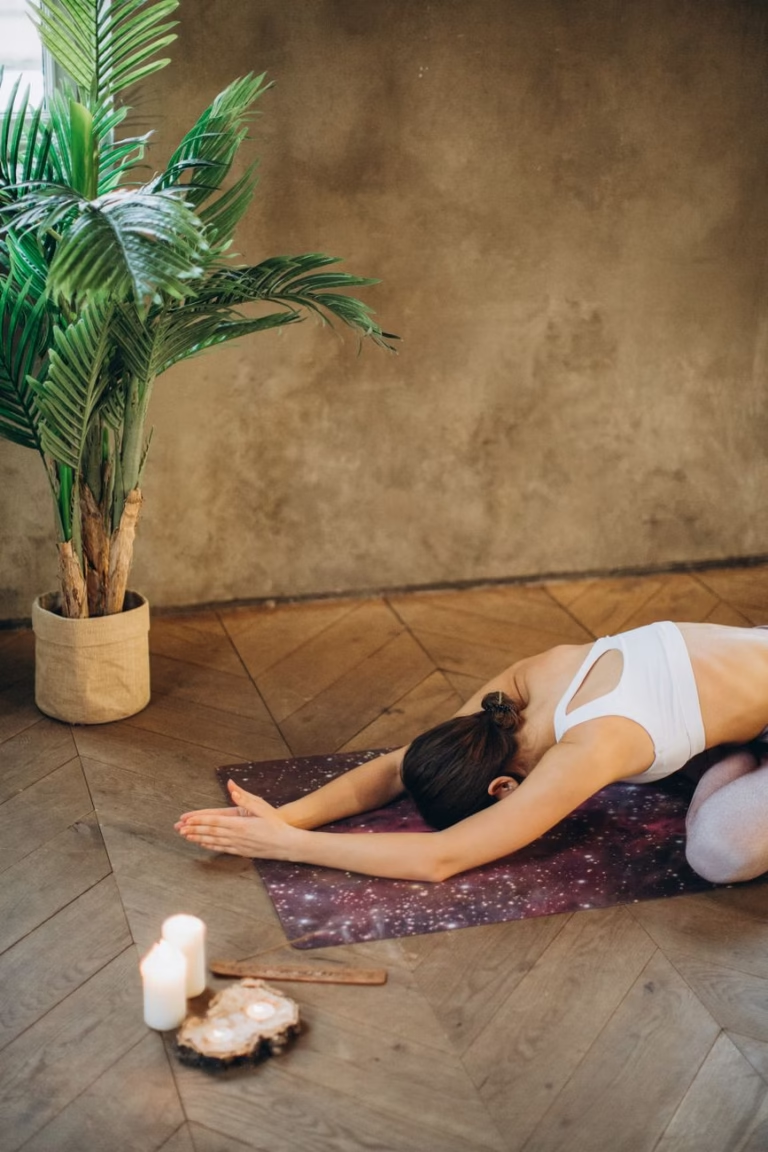
- Child’s Pose (Balasana): A deeply soothing pose that calms the brain and helps relieve stress and fatigue. Kneel on the floor, bring your big toes together, and sit on your heels. Fold forward, resting your torso between your thighs. Extend your arms forward or alongside your body.
- Legs-Up-the-Wall Pose (Viparita Karani): A restorative inversion that helps calm the nervous system, relieve tired legs, and gently stretches the hamstrings. Lie on your back, bringing your hips close to a wall, and extend your legs straight up the wall. Rest your arms comfortably by your sides.
- Supine Spinal Twist (Supta Matsyendrasana): Gently massages the internal organs, releases tension in the back, and promotes detoxification. Lie on your back, hug your knees to your chest, then let both knees fall to one side while extending your opposite arm out.
- Corpse Pose (Savasana): The ultimate relaxation pose, often practiced at the end of a session. It allows the body to integrate the benefits of the practice and signals deep rest. Lie flat on your back, arms slightly away from your body with palms up, legs extended. Focus on softening every part of your body.
These poses help to physically unwind the body, which in turn helps to calm the mind. Regular practice of these stress relief yoga poses can make a tangible difference in your daily experience of peace.
Pranayama (Breathwork) Techniques for Nervous System Regulation
Pranayama, the control of breath, is perhaps the most direct route to influencing your nervous system and mental state. The way we breathe is intricately linked to our emotions. Short, shallow breaths often accompany stress, while long, deep breaths induce relaxation.
- #### Essential Breathwork for Calm:
- Diaphragmatic Breathing (Belly Breathing): This fundamental technique encourages full, deep breaths, activating the vagus nerve and stimulating the parasympathetic nervous system. Lie down or sit comfortably. Place one hand on your chest and the other on your belly. Inhale deeply through your nose, feeling your belly rise. Exhale slowly through your mouth, feeling your belly fall.
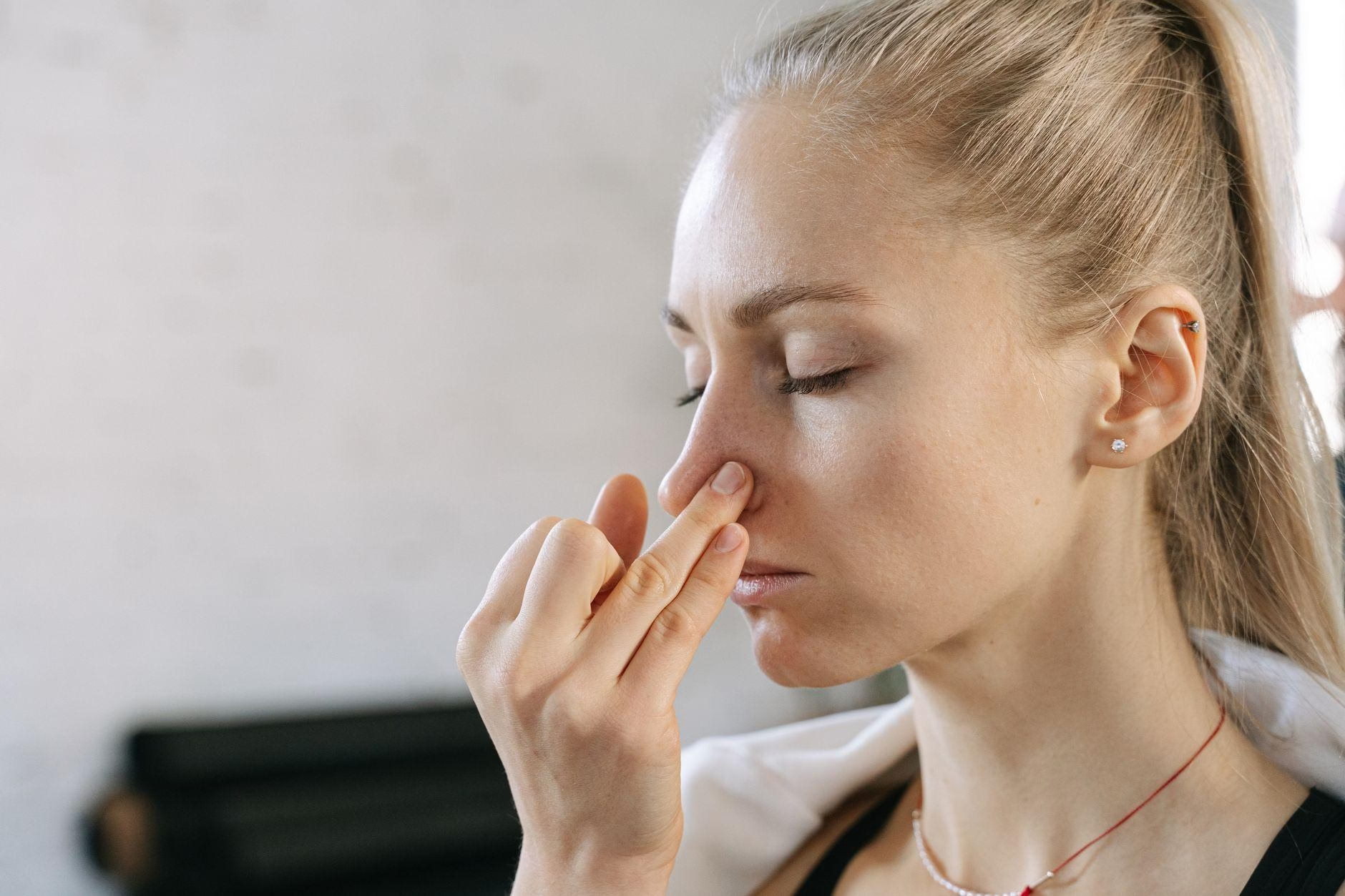
- Nadi Shodhana (Alternate Nostril Breathing): This powerful pranayama balances the left and right hemispheres of the brain, promoting mental clarity and emotional stability. Sit comfortably. Close your right nostril with your right thumb and inhale through your left nostril. Close your left nostril with your ring finger, release your thumb, and exhale through your right nostril. Then inhale through your right, close it, and exhale through your left. Continue alternating. This is a highly recommended pranayama for peace.
- Bhramari Pranayama (Humming Bee Breath): A calming breath technique that soothes the nervous system, reduces anger, and alleviates anxiety. Sit comfortably. Close your ears with your thumbs and place your fingers over your eyes. Inhale deeply, then exhale slowly, making a soft humming sound from your throat. The vibration has a calming effect.
Consistent practice of these pranayama for peace techniques can dramatically alter your stress response and bring immediate calm.
Meditation & Mindfulness: Training Your Mind for Present Moment Awareness
While often associated with yoga, meditation and mindfulness are distinct but complementary practices that train the mind to be present and non-judgmental. They are core components of mindfulness practices.
- #### Cultivating a Mindful State:
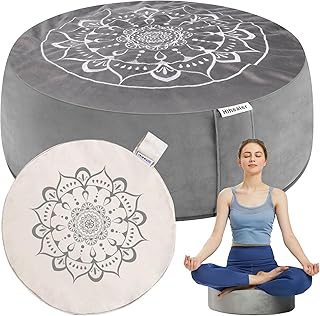
- Focused Attention Meditation: Direct your attention to a single object, such as your breath, a mantra, or a candlelight flame. When your mind wanders, gently guide it back. This builds concentration and mental discipline.
- Body Scan Meditation: Lie down and bring your awareness sequentially to different parts of your body, noticing any sensations without judgment. This helps to release tension and cultivate a deeper connection to your physical self.
- Mindful Walking: Pay attention to the sensation of your feet on the ground, the movement of your legs, and the rhythm of your breath as you walk. Notice the sights, sounds, and smells around you without getting lost in thought. This integrates mindfulness into everyday activity.
- Loving-Kindness Meditation (Metta): Cultivate feelings of warmth, kindness, and compassion for yourself and others. Start by offering well-wishes to yourself, then extend them to loved ones, neutral persons, difficult persons, and finally, all beings. This practice fosters emotional resilience and positive outlook.
Integrating these mindfulness practices helps to detach from incessant thought loops and brings you into the present, fostering a profound sense of inner quiet and peace.


A Yoga Routine for Daily Mental Clarity and Stress Reduction
Consistency is key when using yoga for mental peace. Here’s how you can integrate short, powerful practices throughout your day to maintain clarity and manage stress.
Morning Flow: Setting a Positive Tone for Your Day
- Starting your day with a mindful yoga practice can profoundly influence your mood and focus.
- 5-10 Minute Gentle Sequence: Begin with a few rounds of Cat-Cow (Marjaryasana-Bitilasana) to warm the spine and connect breath with movement. Move into a gentle Downward-Facing Dog (Adho Mukha Svanasana) to lengthen the hamstrings and spine, followed by Sun Salutation A (Surya Namaskar A) with modifications, focusing on slow, deliberate breaths. Conclude with Child’s Pose and a minute or two of Diaphragmatic Breathing to center yourself before the day begins. This sets a foundation for mental well-being through yoga.
Mid-Day Reset: Quick Practices for Stress Relief
- When stress threatens to derail your afternoon, a quick yoga break can restore balance.
- 2-5 Minute Desk Yoga: If you’re at a desk, try seated Cat-Cow, gentle Neck Rolls, and Shoulder Shrugs. For an instant mental reset, practice Nadi Shodhana for 2-3 minutes, focusing entirely on the breath to clear mental fog and reduce tension. Even a few rounds of slow, deep Diaphragmatic Breathing can make a significant difference.
Evening Wind-Down: Preparing for Restful Sleep
- Unwinding with yoga before bed can significantly improve sleep quality and ease the transition from a busy day to restful night.
- 10-15 Minute Restorative Sequence: Focus on deeply relaxing stress relief yoga poses. Start with Legs-Up-the-Wall Pose for 5 minutes, followed by a gentle Supine Spinal Twist on both sides. Conclude with Savasana (Corpse Pose) for 5-7 minutes, practicing a body scan meditation to release all remaining tension. This routine promotes deep relaxation and mental peace, preparing your body and mind for restorative sleep.
Integrating Short Practices: Even 5 Minutes Makes a Difference
- Don’t underestimate the power of short, consistent practices. A few minutes of mindful movement or breathwork can prevent stress from accumulating.
- Micro-Breaks: Set an alarm to remind yourself to take 1-2 minutes every hour to stand, stretch, and take 5 deep belly breaths.
- Mindful Transitions: Before starting a new task or after finishing one, take a moment to pause, notice your breath, and reset your intention.
- Everyday Mindfulness: Practice being fully present during mundane activities, like washing dishes or drinking tea. Notice the sensations, sights, and sounds. These small integrations build up, enhancing mental well-being through yoga throughout your day.
Beyond the Mat: Extending Yoga Principles into Your Life
True mental peace isn’t confined to a yoga mat; it’s a way of living. Integrating yoga’s core principles into your daily existence amplifies its transformative power.
Mindful Living: Applying Awareness to Everyday Activities
- Mindful living means bringing the present moment awareness cultivated on the mat into every aspect of your day. It’s about being fully engaged and aware, rather than operating on autopilot.
- Conscious Eating: Pay attention to the colors, textures, smells, and tastes of your food. Chew slowly and savor each bite.
- Mindful Communication: Listen actively when others speak, without formulating your response. Speak thoughtfully and kindly.
- Appreciation of Nature: Take a moment each day to notice the beauty around you—a tree, the sky, the sound of birds.
- Single-Tasking: Resist the urge to multitask. Focus on one activity at a time, giving it your full attention. This reduces mental clutter and enhances clarity, directly supporting your mental well-being through yoga.
Cultivating Compassion and Self-Acceptance
- Yoga teaches us that true peace begins within. This involves cultivating compassion for ourselves and others, and practicing radical self-acceptance.
- Self-Compassion: Treat yourself with the same kindness and understanding you would offer a dear friend, especially when facing difficulties or making mistakes. This is crucial for yoga benefits for anxiety, as self-criticism often fuels it.
- Non-Judgment: Observe your thoughts and feelings without labeling them as “good” or “bad.” Acknowledge them and let them pass. Extend this non-judgment to others.
- Forgiveness: Practice forgiving yourself and others for past hurts. Holding onto resentment or guilt depletes mental energy and peace.
Building a Supportive Community and Environment
- Our environment and relationships significantly impact our mental state.
- Connect with Like-Minded Individuals: Join a yoga class, a meditation group, or simply seek out friends who also prioritize mental well-being. Sharing experiences and support can be incredibly uplifting.
- Create a Peaceful Home Environment: Designate a quiet space for your practice or simply declutter and organize to promote a sense of calm.
- Limit Negative Influences: Be mindful of the news, social media, and even people that consistently drain your energy or evoke negative emotions. Protect your inner peace fiercely.
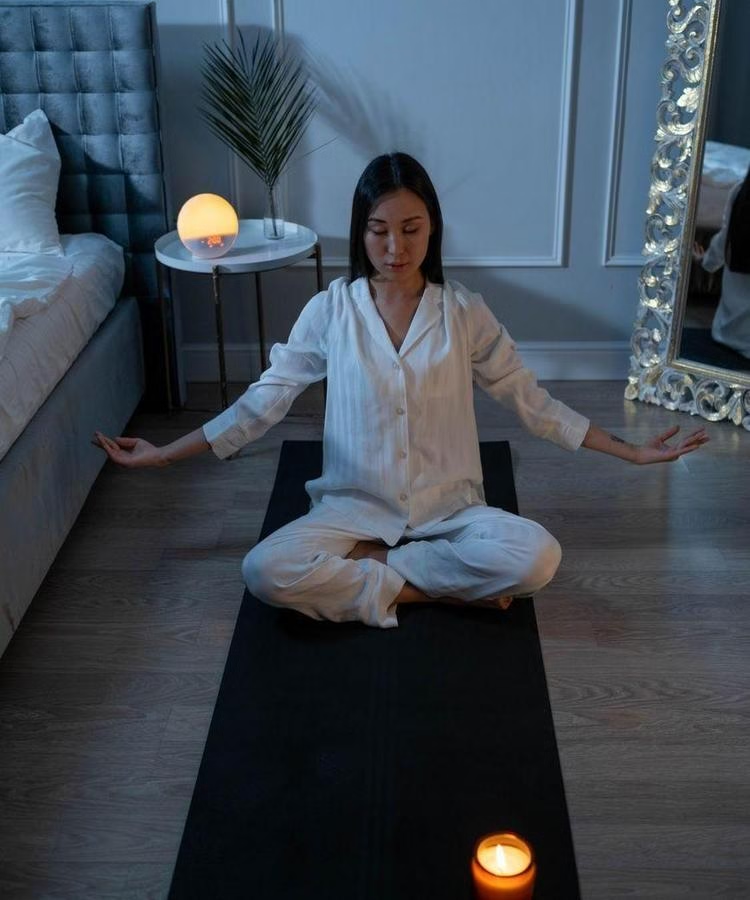
Conclusion: Embrace Your Journey Towards Lasting Inner Peace
The journey towards mental peace is not a destination but an ongoing practice, a continuous commitment to nurturing your inner world. Yoga, in its profound simplicity and comprehensive depth, offers an unparalleled guide on this path. From the scientific reduction of stress hormones and the boosting of feel-good neurotransmitters to the cultivation of unwavering emotional resilience, the benefits are expansive and life-altering.
The Transformative Power of Consistent Practice
The true transformative power of yoga for mental peace lies in its consistency. It’s not about achieving perfect poses or dedicating hours each day; it’s about showing up for yourself, even for a few minutes. Each conscious breath, each mindful movement, each moment of quiet reflection builds cumulative strength, clarity, and calm. Over time, these practices rewire your brain, enhance your emotional regulation, and deepen your connection to your most authentic, peaceful self. This leads to lasting mental well-being through yoga.
Your Personal Path to a Balanced and Peaceful Mind
Your path to a balanced and peaceful mind is unique. Experiment with different asanas, pranayama techniques, and meditation styles to discover what resonates most deeply with you. Begin with curiosity, practice with patience, and approach yourself with compassion. Embrace the tools yoga offers—the stress relief yoga poses, the mindfulness practices, the pranayama for peace—and weave them into the fabric of your daily life. The inner calm, clarity, and profound stress relief you seek are not external acquisitions but internal discoveries, waiting to be unveiled through the devoted practice of yoga. Start today, and reclaim the profound peace that is inherently yours.
—
Frequently Asked Questions
01What yoga poses are best for immediate stress relief?
▼
02How does yoga scientifically help with mental peace?
▼
03Can yoga really help with anxiety symptoms?
▼
04Which pranayama techniques are most effective for inner calm?
▼
05How often should I practice yoga to improve mental well-being?
▼
06Is yoga effective for improving focus and mental clarity?
▼
07What is “mindful living” in the context of yoga?
▼
08Are there specific yoga routines for different times of the day for peace?
▼
09Do I need to be flexible to do yoga for mental peace?
▼
010How long until I notice the mental benefits of yoga?
▼
-
📖 Beginners Guide to Pranayama: Mastering the Art of Breath Control
→
-
📖 The Ultimate Guide to Restorative Yoga for Deep Relaxation
→
-
📖 Understanding the Vagus Nerve: Your Key to Stress Resilience
→
-
📖 Mindfulness Meditation for Beginners: A Step-by-Step Guide
→
-
📖 How to Build a Consistent Home Yoga Practice
→
- 🔗 Harvard Health Publishing e.g., articles on yoga and mental health, stress reduction
- 🔗 National Institutes of Health NIH / National Center for Complementary and Integrative Health NCCIH research on yogas health benefits
- 🔗 American Psychological Association APA information on stress, anxiety, mental well-being
- 🔗 Mayo Clinic resources on stress management, mindfulness, and yoga
- 🔗 Mindful.org a leading resource for mindfulness practices and research