
⚡ AT A GLANCE
Gut Health: Essential Guide to Your Overall Well-being
In an age of endless health trends and dietary advice, one fundamental aspect of our well-being often gets overlooked: the health of our gut. Far from being just a digestive tube, your gut is a bustling inner ecosystem, a complex network of bacteria, fungi, and other microorganisms collectively known as the **gut microbiome**. This intricate community plays a pivotal role in everything from how you digest food and absorb nutrients to the strength of your immune system, your mood, and even your brain function.
1. Introduction: What is Gut Health and Why Should You Care?
Imagine your body as a magnificent, interconnected city. Your gut, specifically your gastrointestinal tract, is not just the waste disposal system; it’s the central processing plant, the power station, and a major communication hub. Gut health refers to the optimal functioning of this entire system, characterized by a balanced gut microbiome, efficient digestion, a strong gut lining, and regular bowel movements.
1.1. Beyond Digestion: The Broad Impact of Your Gut
While the immediate association with the gut is digestion, its influence stretches far beyond processing food. Scientific research continues to unveil the profound and diverse ways a healthy gut contributes to our physical and mental vitality. It’s intimately linked to our energy levels, mental clarity, and even our resistance to disease. Caring for your gut is not a niche health pursuit; it’s a cornerstone of holistic well-being.
2. What Exactly is Gut Health? Deconstructing Your Inner Ecosystem
To truly appreciate the importance of gut health, we need to delve into its core components. It’s a dynamic system, constantly interacting with your diet, lifestyle, and environment.
2.1. The Gut Microbiome Explained: A City Within You
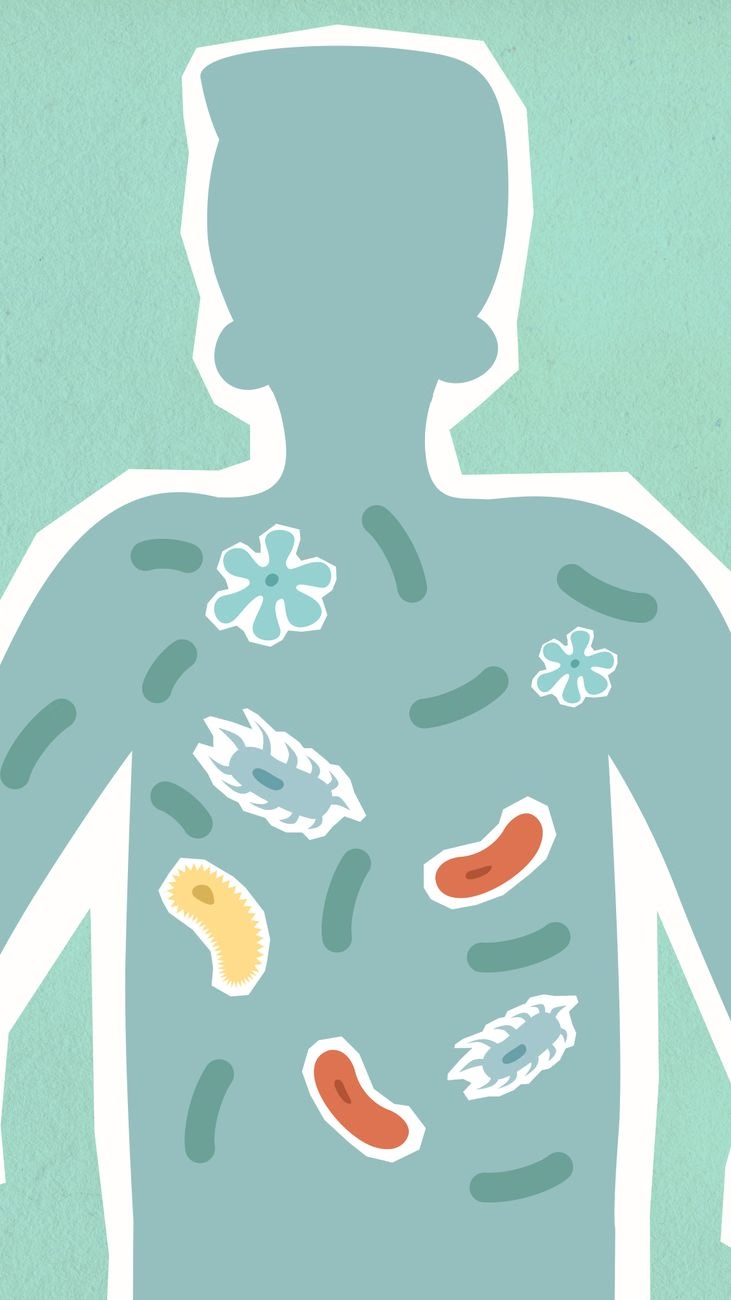
At the heart of gut health lies the gut microbiome, a staggering collection of trillions of microorganisms—bacteria, viruses, fungi, and other microbes—that reside primarily in your large intestine. These aren’t just passive residents; they are active participants in your bodily functions. Think of them as tiny, tireless workers carrying out essential tasks: breaking down food fibers your body can’t digest, producing vitamins (like K and B vitamins), and even synthesizing neurotransmitters. The diversity and balance of this microbial community are critical. A rich and varied microbiome is generally a resilient and healthy one.
2.2. Good vs. Bad Bacteria: Finding the Balance
Not all bacteria are created equal. Your gut hosts both beneficial (“good”) and potentially harmful (“bad”) bacteria. In a healthy gut, the good bacteria vastly outnumber the bad, keeping them in check. Beneficial bacteria, such as *Lactobacillus* and *Bifidobacterium*, aid digestion, support the immune system, and produce short-chain fatty acids (SCFAs) that nourish the gut lining and have systemic anti-inflammatory effects. When the balance shifts, with an overgrowth of harmful microbes or a significant reduction in beneficial ones, a state known as dysbiosis occurs. This imbalance can pave the way for numerous health issues.
3. The Far-Reaching Impact of a Healthy Gut on Your Body and Mind
The connection between your gut and overall health is undeniable. Modern science has illuminated how a thriving internal environment is foundational to virtually every system in your body.
3.1. Digestive System Benefits: Smooth Operations & Nutrient Absorption
The most direct and obvious benefits of a healthy gut relate to your digestive system. A balanced microbiome ensures efficient breakdown of food, optimal nutrient absorption, and regular, comfortable bowel movements. When your gut is healthy, you experience fewer issues like bloating, gas, constipation, diarrhea, and indigestion. The gut lining, a crucial barrier, remains intact, preventing unwanted substances from entering the bloodstream – a condition often referred to as “leaky gut” when compromised. This efficient processing means your body gets the fuel it needs, leading to increased energy and vitality.
3.2. Bolstering Your Immune System: Your Gut as Your First Line of Defense
Did you know that approximately 70-80% of your immune system resides in your gut? Your gut-associated lymphoid tissue (GALT) is a major immunological organ, constantly interacting with the vast microbial community. A healthy gut microbiome trains your immune cells, helping them distinguish between harmful invaders and harmless substances. It also produces antimicrobial compounds and maintains the integrity of the gut barrier, preventing pathogens from crossing into your body. When your gut flora is robust, your immune system is stronger, making you less susceptible to infections, allergies, and autoimmune conditions. This crucial immune system support is one of the most compelling reasons to prioritize gut health.
3.3. The Brain-Gut Axis: Unpacking the Connection to Mental Health and Mood
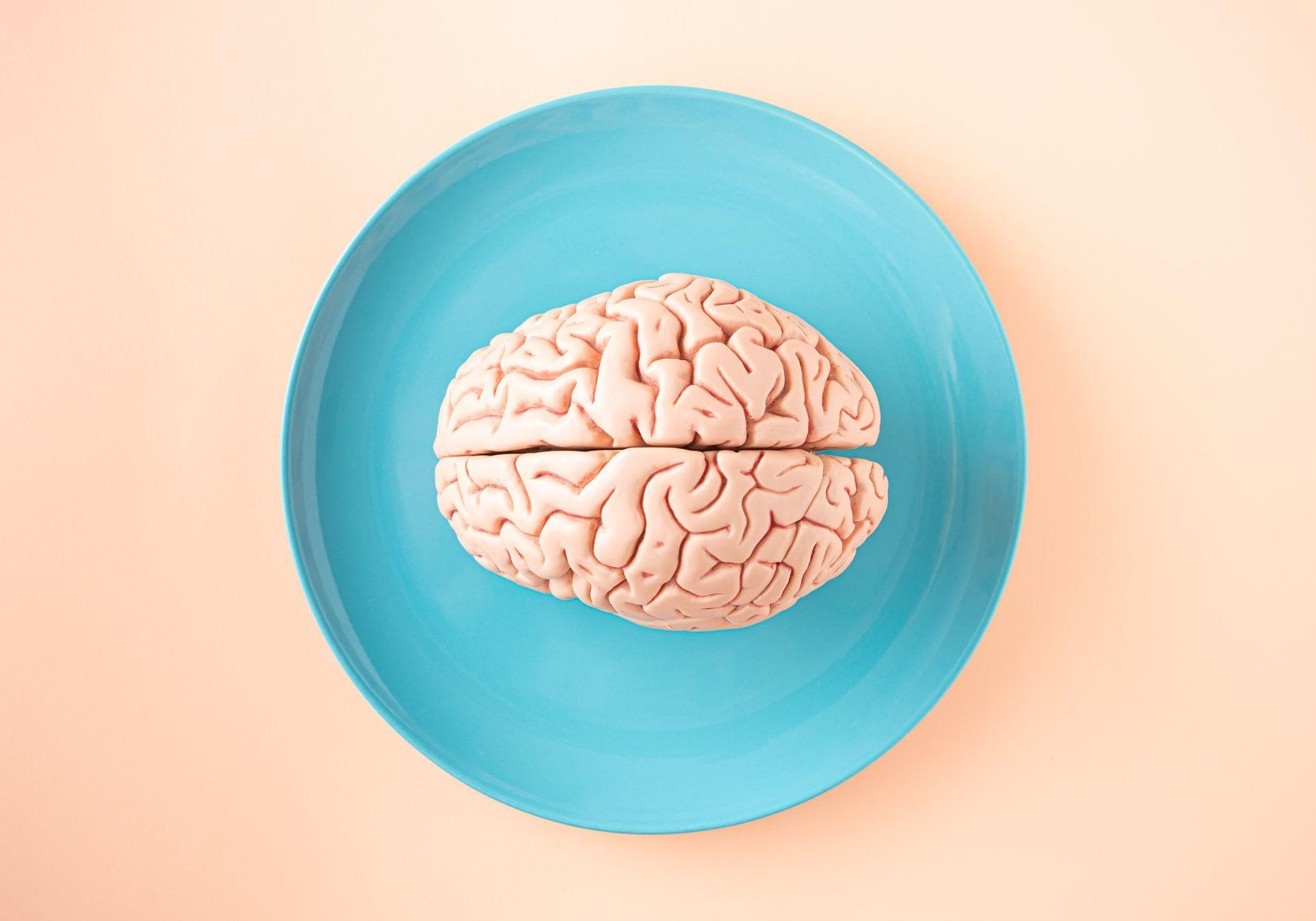
The concept of a “gut feeling” isn’t just a metaphor; it’s a physiological reality. The brain-gut connection, or the brain-gut axis, is a bidirectional communication highway between your central nervous system and your enteric nervous system (the “second brain” in your gut). This axis uses neurotransmitters (like serotonin, 90% of which is produced in the gut), hormones, and immune cells to communicate. An imbalanced gut can disrupt this communication, impacting mood, cognition, and stress responses. Research increasingly links gut dysbiosis to anxiety, depression, cognitive fog, and even neurodegenerative diseases. Nurturing a healthy gut can therefore be a powerful strategy for improving mental clarity, emotional resilience, and overall well-being.
3.4. Influence on Weight Management and Metabolism
Emerging research suggests a significant link between the composition of your gut microbiome and your metabolism and weight. Certain bacterial strains are more efficient at extracting calories from food, while others influence how your body stores fat. A diverse and balanced microbiome may promote healthy metabolism, improve insulin sensitivity, and even influence appetite regulation. Conversely, an unhealthy gut can contribute to inflammation, insulin resistance, and difficulty losing or maintaining a healthy weight.
3.5. Surprising Links: Skin Health, Allergies, and Chronic Disease Prevention
- The ripple effects of gut health extend even further:
- Skin Health: The “gut-skin axis” describes how imbalances in the gut can manifest as skin conditions like acne, eczema, and psoriasis. Reducing gut inflammation can often lead to clearer skin.
- Allergies and Asthma: A well-balanced gut microbiome early in life is crucial for immune system development, potentially reducing the risk of allergies and asthma later on.
- Chronic Disease Prevention: Chronic low-grade inflammation, often stemming from an unhealthy gut, is a known contributor to conditions like heart disease, type 2 diabetes, and certain cancers. By fostering a healthy gut, you actively engage in preventative medicine for a wide array of chronic illnesses.


4. Signs of an Unhealthy Gut: What to Look Out For
Recognizing the signals your body sends is the first step towards better gut health. Many people unknowingly live with an imbalanced gut, attributing their symptoms to other causes.
4.1. Common Symptoms and Discomforts
- Digestive Issues: Frequent gas, bloating, constipation, diarrhea, heartburn, or irritable bowel syndrome (IBS) symptoms are classic indicators.
- Food Sensitivities: Suddenly developing intolerances or sensitivities to certain foods.
- Fatigue: Persistent tiredness, even after adequate sleep, can be a sign of poor nutrient absorption or chronic inflammation.
- Sugar Cravings: An overgrowth of certain “bad” gut bacteria can fuel cravings for sugar and refined carbohydrates.
- Unintentional Weight Changes: Unexplained weight gain or loss.
- Skin Problems: Acne, eczema, rashes, or other chronic skin conditions.
- Mood Disturbances: Anxiety, depression, irritability, or difficulty concentrating.
- Weakened Immunity: Frequent colds, flu, or recurring infections.
- Bad Breath: Can sometimes indicate an imbalance in oral or gut bacteria.
4.2. When to Seek Professional Advice
While many gut issues can be managed with dietary and lifestyle changes, it’s important to know when to consult a healthcare professional. If you experience severe or persistent symptoms, blood in your stool, unexplained weight loss, chronic abdominal pain, or a sudden change in bowel habits, seek medical attention. A doctor or registered dietitian can help diagnose underlying conditions, such as IBS, Crohn’s disease, celiac disease, or small intestinal bacterial overgrowth (SIBO), and provide personalized guidance.
5. How to Improve Your Gut Health: Actionable Steps for a Happier Gut
The good news is that your gut microbiome is incredibly dynamic and responsive. Small, consistent changes can lead to significant improvements in your gut health and, by extension, your overall well-being.
5.1. Dietary Changes: Fueling Your Microbiome with the Right Foods
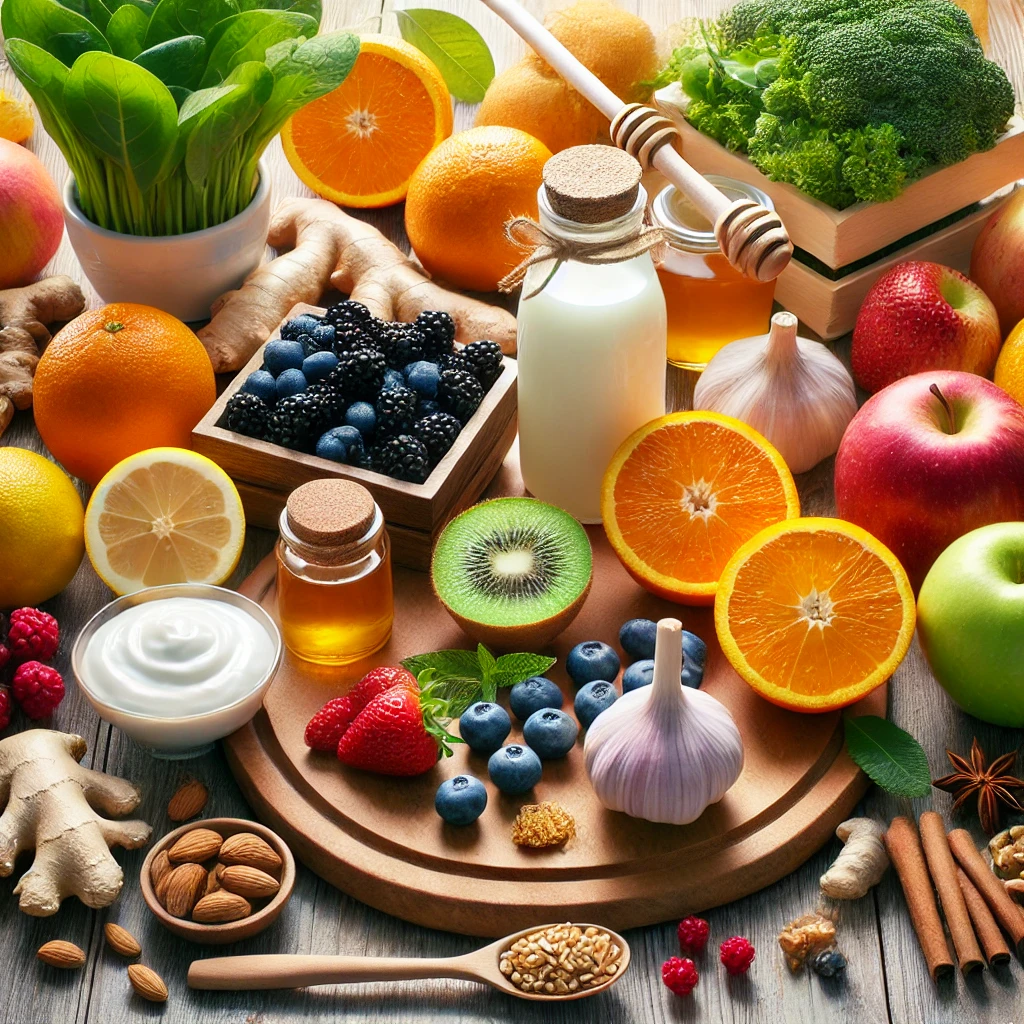
Your diet is the most powerful tool for shaping your gut microbiome. What you eat directly feeds your bacteria, determining which types thrive.
#### 5.1.1. Fiber-Rich Foods and Whole Grains
- Fiber is the superstar of gut health. It acts as a prebiotic, meaning it’s a non-digestible food component that selectively stimulates the growth and activity of beneficial bacteria in your gut. Think of prebiotics as food for your probiotics. Excellent sources include:
- Fruits: Apples, bananas, berries, pears.
- Vegetables: Asparagus, garlic, onions, leeks, broccoli, leafy greens.
- Legumes: Lentils, beans, chickpeas.
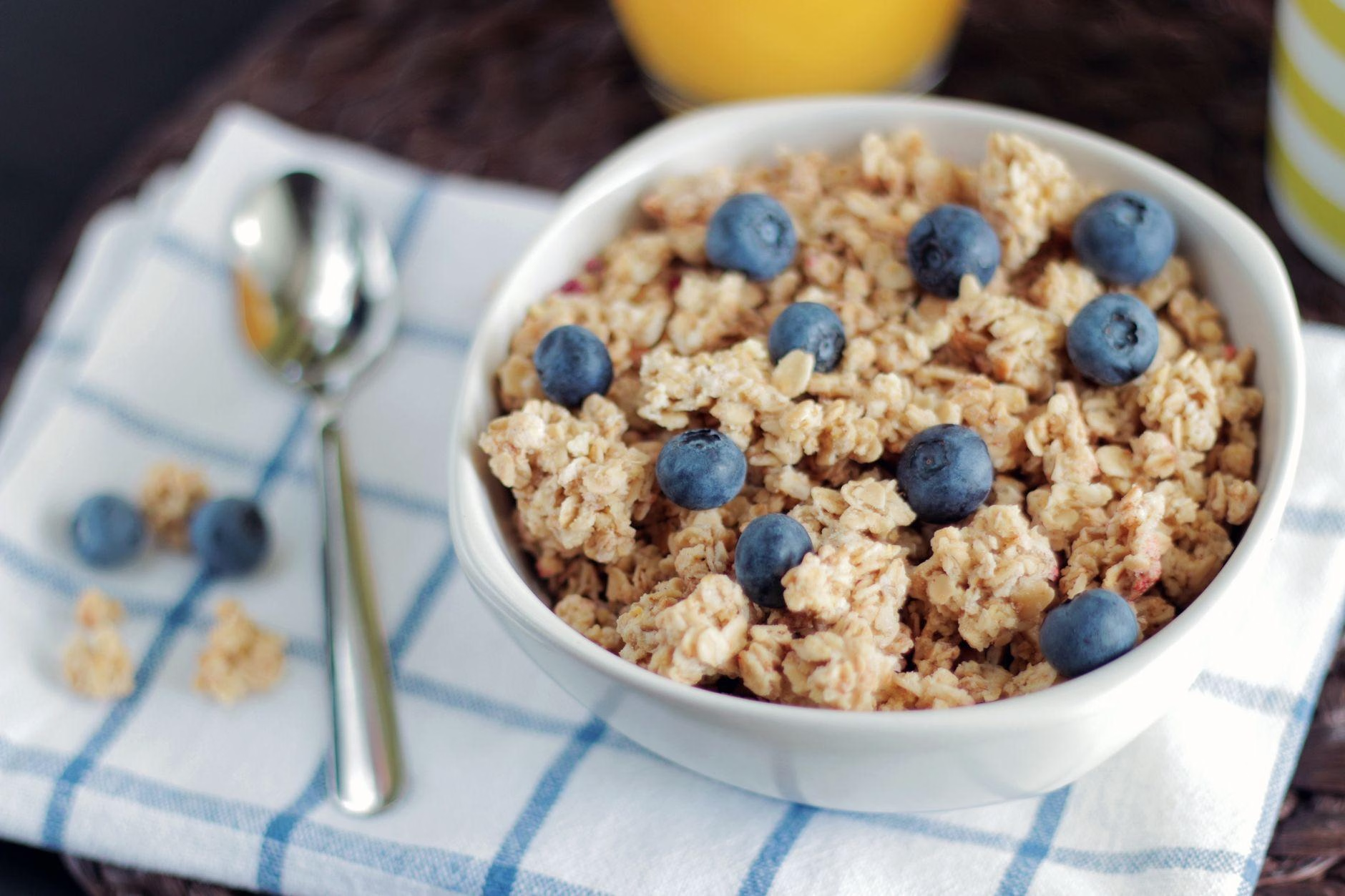
- Whole Grains: Oats, barley, quinoa, brown rice.
- Increasing your intake of diverse plant-based foods is one of the single best things you can do for your microbiome. Aim for a wide variety to feed different strains of bacteria.
#### 5.1.2. Fermented Foods: Natural Sources of Probiotics
- Probiotics and prebiotics work hand-in-hand. Probiotics are live beneficial bacteria that, when consumed in adequate amounts, confer a health benefit to the host. Fermented foods are nature’s gift of probiotics. They introduce new, helpful bacteria into your gut.
- Yogurt and Kefir: Look for plain, unsweetened varieties with live and active cultures.
- Sauerkraut and Kimchi: Fermented cabbage, rich in lactobacilli. Ensure they are unpasteurized to preserve live cultures.
- Tempeh: Fermented soybean product.
- Miso: Fermented soybean paste.
- Kombucha: Fermented tea (consume in moderation due to sugar content).
- Incorporating a variety of these foods into your diet can help diversify and strengthen your gut flora.
#### 5.1.3. Limiting Processed Foods, Sugar, and Artificial Sweeteners
- Conversely, highly processed foods, excessive sugar, and artificial sweeteners can wreak havoc on your gut. They tend to feed harmful bacteria, reduce microbial diversity, and can contribute to gut inflammation and a compromised gut lining. Minimize intake of:
- Sugary drinks and snacks
- Refined carbohydrates (white bread, pastries)
- Processed meats
- Foods with artificial colors, flavors, and preservatives
- Many artificial sweeteners (e.g., sucralose, aspartame) have been shown to negatively impact the microbiome.


5.2. Probiotics and Prebiotics: Food vs. Supplements
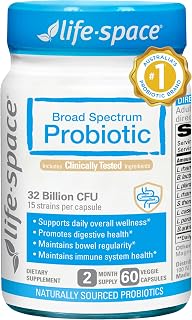
- While whole foods are the best source of probiotics and prebiotics, supplements can play a role, especially if you’re struggling to get enough through diet or are recovering from an antibiotic course.
- Probiotic Supplements: These contain concentrated strains of beneficial bacteria. Look for reputable brands with diverse strains and a high CFU (colony-forming units) count. It’s best to consult a healthcare professional before starting supplements, as specific strains can address different concerns.
- Prebiotic Supplements: Often contain fibers like inulin or fructooligosaccharides (FOS). Again, food sources are generally preferred, but supplements can provide a boost.
- Remember, supplements are designed to *supplement* a healthy diet, not replace it.
5.3. Lifestyle Factors: Beyond Diet for Gut Harmony
Diet is crucial, but it’s not the only player in gut health. Your daily habits significantly influence your inner ecosystem.
#### 5.3.1. Stress Management Techniques
- The brain-gut axis means stress directly impacts your digestive system. Chronic stress can alter gut motility, increase gut permeability, and negatively shift your microbiome composition. Incorporate stress-reducing practices into your routine:
- Mindfulness and Meditation: Even short daily sessions can make a difference.
- Deep Breathing Exercises: Calms the nervous system.
- Yoga or Tai Chi: Combines physical movement with mental focus.
- Spending Time in Nature: Reduces cortisol levels.
- Engaging in Hobbies: Activities you enjoy provide mental breaks.
#### 5.3.2. The Importance of Quality Sleep
Lack of sleep can disrupt the delicate balance of your gut flora and increase stress hormones, further impacting digestion. Aim for 7-9 hours of quality sleep per night. Establish a consistent sleep schedule, create a relaxing bedtime routine, and optimize your sleep environment for darkness and quiet.
#### 5.3.3. Regular Physical Activity
Moderate exercise has been shown to positively influence gut microbial diversity and improve gut motility. It also helps reduce stress and improve sleep, creating a virtuous cycle for gut health. Aim for at least 150 minutes of moderate-intensity exercise or 75 minutes of vigorous-intensity exercise per week.
5.4. Hydration: Simple Yet Crucial
Water is essential for healthy digestion and regular bowel movements. It helps keep food moving through your digestive tract and prevents constipation. Aim for adequate water intake throughout the day – typically 8 glasses, but adjust based on activity level and climate.

6. Maintaining a Healthy Gut Long-Term: Consistency is Key
Improving gut health isn’t a one-time fix; it’s a lifelong commitment. Consistency in your dietary and lifestyle choices is paramount to cultivating and maintaining a thriving internal environment. Small, sustainable changes adopted over time yield the most significant and lasting benefits.
6.1. Personalized Approaches to Gut Health
While general guidelines are helpful, it’s important to remember that gut health is highly individual. What works for one person might not work for another. Factors like genetics, geographic location, past medical history (e.g., antibiotic use), and current health conditions all play a role. Pay attention to how your body responds to different foods and lifestyle interventions. Keeping a food and symptom journal can be incredibly insightful. If you’re struggling to identify what works best for you, consider consulting with a healthcare professional specializing in gut health or a registered dietitian for a personalized approach. They can offer tailored advice, suggest specific dietary protocols, or recommend targeted testing if necessary.
7. Conclusion: Empowering Yourself Through Gut Health
Your gut is a powerful, dynamic organ system that profoundly influences every aspect of your health. From robust immune system support and efficient digestive health benefits to a clear mind and stable mood via the brain-gut connection, a healthy gut microbiome is truly foundational. By understanding its intricate workings and making conscious choices about your diet and lifestyle, you hold the power to cultivate a thriving internal ecosystem.
Embrace a diverse, fiber-rich diet, incorporating plenty of fermented foods. Prioritize stress management, quality sleep, and regular physical activity. Stay hydrated and listen to your body’s signals. By taking these proactive steps, you’re not just improving your digestion; you’re investing in a future of enhanced energy, resilience, and overall vitality. Start your gut health journey today and empower yourself with the cornerstone of lasting well-being.
—
Frequently Asked Questions
01What exactly is the gut microbiome?
▼
02Why is gut health so important for my overall well-being?
▼
03What are the common signs of an unhealthy gut?
▼
04What’s the difference between probiotics and prebiotics?
▼
05What foods should I eat to improve my gut health?
▼
06Can stress really affect my gut health?
▼
07Are probiotic supplements necessary, or are foods enough?
▼
08How quickly can I improve my gut health?
▼
09How does gut health connect to my immune system?
▼
010What is the brain-gut connection?
▼
-
📖 *Understanding IBS: Symptoms, Causes, and Management: For readers experiencing persistent digestive issues.
→
-
📖 *Boost Your Immune System Naturally: A Comprehensive Guide: To elaborate on immune support.
→
-
📖 *The Power of Mindfulness: Techniques for Stress Reduction: To dive deeper into stress management.
→
-
📖 *Eating for Energy: Best Foods to Fuel Your Body: To discuss nutrient absorption and fatigue.
→
-
📖 *Decoding Your Cravings: What Your Body is Really Telling You: To link sugar cravings with gut imbalances.
→
- 🔗 Mayo Clinic for general health information, digestive diseases
- 🔗 National Institutes of Health NIH – specifically the National Institute of Diabetes and Digestive and Kidney Diseases NIDDK
- 🔗 Harvard Health Publishing Harvard Medical School
- 🔗 American Gastroenterological Association AGA
- 🔗 Cleveland Clinic