


Mindful Eating
In a world that often rushes us from one task to the next, eating has become another item on the checklist, frequently performed on autopilot. We snack mindlessly, gulp down meals distracted by screens, and often finish feeling unsatisfied, confused, or even guilty about our food choices. But what if there was a way to transform this essential daily act into an opportunity for improved health, deeper pleasure, and a profound connection with your body? This is the promise of mindful eating.
Far from a restrictive diet or a fleeting trend, mindful eating is a powerful, evidence-based approach that invites you to bring full awareness to your eating experiences. It’s about tuning into your body’s innate wisdom, savoring every bite, and rediscovering the joy that food truly brings. This comprehensive guide will demystify mindful eating, reveal its amazing benefits, and provide you with practical, actionable steps to seamlessly integrate this transformative practice into your daily life, starting today.
The Secret to a Healthier Relationship with Food: What Exactly is Mindful Eating?
Before we dive into the practicalities, let’s establish a clear understanding of what mindful eating truly entails. It’s more than just paying attention; it’s a profound shift in how we interact with food.
Beyond the Buzzword: Definition and Core Principles
At its heart, mindful eating is an application of mindfulness meditation to the act of eating. Mindfulness, as defined by Jon Kabat-Zinn, is “paying attention in a particular way: on purpose, in the present moment, and non-judgmentally.” When applied to food, this means:
* Awareness: Noticing the colors, textures, aromas, and tastes of your food.
* Presence: Eating in the moment, without distraction or multitasking.
* Intuition: Listening to your body’s signals of hunger, fullness, and satisfaction.
* Non-Judgment: Observing your thoughts and feelings about food without criticism, guilt, or shame.
* Curiosity: Approaching food with an open mind, exploring new sensations.
The core principles revolve around internal cues rather than external rules. It’s about respecting your body, understanding its needs, and nurturing a relationship with food built on trust and well-being. This approach helps to regulate eating habits naturally and promotes a more balanced dietary pattern without the stress often associated with traditional diets.
The Crucial Difference: Mindful vs. Mindless Eating
To truly grasp the essence of mindful eating, it’s helpful to contrast it with its pervasive counterpart: mindless eating.
| Feature | Mindful Eating | Mindless Eating |
| :—————— | :————————————————– | :————————————————– |
| Attention | Fully present, focused on the eating experience. | Distracted (TV, phone, work), eating on autopilot. |
| Cues | Responds to internal hunger and satiety cues. | Driven by external cues (time of day, portion size, emotions). |
| Pace | Slow, deliberate, savoring each bite. | Fast, rushed, often gulping food. |
| Sensory Input | Engages all senses: sight, smell, taste, texture. | Little awareness of food’s sensory qualities. |
| Feelings | Acknowledges emotions without using food to cope. | Reacts to emotions (stress, boredom) by eating. |
| Outcome | Satisfaction, improved digestion, balanced intake. | Overeating, discomfort, guilt, dissatisfaction. |
Mindless eating is often a response to stress, boredom, or habit, leading to feelings of being out of control around food. Mindful eating, conversely, empowers you to regain control by connecting with your inner wisdom. It’s a practice of self-care and self-respect.
Who Can Benefit from Mindful Eating?
The beauty of mindful eating practices is their universality. Almost anyone can reap its rewards, but it’s particularly transformative for individuals who:
* Struggle with stress eating or emotional eating.
* Are tired of restrictive diets and constant food guilt.
* Want to achieve sustainable weight management without counting calories.
* Experience digestive discomfort (bloating, indigestion).
* Desire a deeper appreciation for food and the act of nourishment.
* Feel disconnected from their body’s hunger and fullness signals.
* Seek to improve their overall relationship with food and their body.
Transformative Power: The 7 Amazing Benefits of Mindful Eating
Embracing mindful eating is an investment in your physical, mental, and emotional well-being. The positive ripple effects extend far beyond the dinner plate, profoundly impacting your overall quality of life. Let’s explore the 7 amazing benefits you can unlock.
Benefit 1: Improved Digestion and Nutrient Absorption
When you eat mindfully, you naturally slow down. This gives your body time to prepare for digestion. Chewing food more thoroughly breaks it down into smaller particles, reducing the workload on your stomach and intestines. It also signals your body to produce more digestive enzymes. Better digestion means your body can more efficiently extract and absorb essential nutrients from the food you eat, leading to increased energy and vitality. It’s a simple, yet incredibly effective way to enhance your body’s natural processes.
Benefit 2: Enhanced Weight Management (Without Dieting)
One of the most appealing aspects of mindful eating for weight loss is that it doesn’t involve calorie counting or restrictive rules. Instead, it empowers you to become attuned to your body’s authentic hunger and fullness cues. By recognizing true physical hunger and stopping when comfortably full, you naturally regulate your intake, preventing overeating. This non-diet approach fosters a sustainable, healthy weight by shifting focus from external control to internal wisdom, making it a powerful strategy for long-term healthy eating habits. Studies often show that mindful eating reduces instances of binge eating and leads to gradual, sustainable weight loss.
Benefit 3: Reduced Stress and Emotional Eating

Food is often used as a coping mechanism for stress, boredom, sadness, or anxiety. Mindful eating helps you differentiate between physical hunger and emotional hunger. By pausing and checking in with your feelings before you eat, you can address the underlying emotions directly rather than using food as a temporary band-aid. This practice builds emotional resilience, reducing instances of stress eating and fostering healthier ways to manage difficult emotions. It’s a key step towards breaking free from the cycle of emotional eating.
Benefit 4: Greater Enjoyment of Food and Deeper Satisfaction
When you engage all your senses – sight, smell, taste, touch, and even sound – you unlock a richer, more profound appreciation for your food. Savoring each bite enhances flavor perception, transforming meals from mere fuel into genuinely pleasurable experiences. This increased enjoyment often leads to feeling more satisfied with smaller portions, naturally reducing the desire for excessive amounts. Food becomes a source of delight, not a source of worry or regret.
Benefit 5: Stronger Body-Food Connection and Intuition
Mindful eating cultivates a deeper awareness of your body’s internal signals. You learn to recognize subtle cues of hunger before they become ravenous and gentle nudges of fullness before you feel stuffed. This enhanced intuition extends beyond just hunger and fullness; you start to notice how different foods make your body feel—energetic, sluggish, vibrant, or uncomfortable. This strengthened body-food connection builds trust in your body’s innate wisdom, guiding you toward choices that truly nourish you.
Benefit 6: Cultivating Self-Compassion and Non-Judgment
Perhaps one of the most profound benefits, mindful eating encourages a stance of self-compassion. Instead of berating yourself for “bad” food choices or “failing” on a diet, mindful eating invites you to observe your thoughts and actions around food without judgment. It acknowledges that everyone has moments of mindless eating, and instead of shame, it offers an opportunity for learning and growth. This gentle, non-critical approach fosters a kinder relationship with yourself and ultimately, more sustainable change.
Benefit 7: Lasting Change in Eating Habits and Overall Well-being
Unlike restrictive diets that are often unsustainable, mindful eating promotes fundamental shifts in your relationship with food that can last a lifetime. It’s not about what you *can’t* eat, but how you *choose* to eat. This empowers you to make conscious, health-promoting decisions that align with your values and body’s needs. The accumulated benefits — better digestion, less stress, enhanced satisfaction, and improved body connection — all contribute to a significant boost in your overall physical and mental well-being.
From Theory to Table: Practical Steps to Cultivate Mindful Eating Habits Today
Ready to transform your eating experience? Here are practical, actionable steps to help you cultivate mindful eating habits, starting with your next meal.
Step 1: Tune In – Listen to Your Hunger and Fullness Cues
This is foundational to intuitive eating and mindful practice. Before you eat, pause and ask yourself: “Am I truly hungry?” Assess your hunger on a scale of 1 to 10 (1 = ravenous, 10 = painfully stuffed). Aim to eat when you’re around a 3 or 4 (moderately hungry) and stop when you’re around a 6 or 7 (comfortably satisfied, not stuffed). Pay attention to physical sensations: a growling stomach, low energy, lightheadedness – these are signs of true hunger, not just a craving.
Step 2: Slow Down – Savor Every Bite (The 20-Minute Rule)
Our brains take about 20 minutes to register fullness. Eating too quickly means you might consume more than your body needs before your brain gets the signal. Try these techniques to slow down:
* Put down your fork between bites.
* Chew thoroughly until your food is almost liquid before swallowing.
* Take small sips of water between bites.
* Engage in conversation if eating with others (but don’t get *too* distracted).
* Set a timer for 20 minutes for your meal, aiming to still be eating when it goes off.


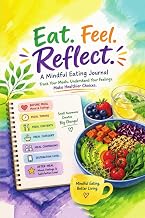
Step 3: Engage Your Senses – Observe Food’s Appearance, Aroma, and Texture
Before you even take a bite, take a moment to appreciate your food.
* Sight: Notice the colors, shapes, and arrangement on your plate.
* Smell: Bring the food closer and inhale its aroma. How does it smell?
* Touch (Texture): Notice the texture in your mouth – crunchy, soft, creamy, chewy.
* Sound: Listen to the sounds of chewing or the crunch of crisp vegetables.
* Taste: Focus on the initial taste, then how it evolves as you chew. What flavors emerge?
This sensory exploration deepens your appreciation and enhances satisfaction.
Step 4: Minimize Distractions – Eat with Intention in a Dedicated Space
Multitasking while eating is a primary culprit of mindless consumption. Turn off the TV, put away your phone, close your laptop, and step away from your desk. Create a dedicated eating space, even if it’s just a quiet corner. By removing external distractions, you bring your full attention to the meal, allowing you to truly experience and enjoy it. This is a powerful step towards building conscious eating habits.
Step 5: Acknowledge Your Feelings – Eat Without Judgment
Before reaching for food, especially outside of meal times, pause and identify what you’re truly feeling. Are you stressed, bored, anxious, or lonely? Acknowledge these emotions without judgment. Ask yourself if food will genuinely address that feeling. Often, a few deep breaths, a walk, or a call with a friend might be more effective. If you do choose to eat, do so mindfully, observing any emotional triggers without self-criticism.
Step 6: Practice Gratitude – Connect with Your Food’s Journey

Take a moment before eating to reflect on the journey your food has taken to reach your plate. Think about the farmers, the sun, the rain, the earth, and everyone involved in bringing it to you. A simple moment of gratitude can transform your eating experience, fostering a sense of connection and appreciation, and further enhancing your present moment eating experience.
Step 7: Mindful Bites – Start Small, Practice Consistently
You don’t need to practice mindful eating perfectly at every meal. Start small. Choose one meal a day, or even just the first three bites of each meal, to practice these steps. Consistency is key. Like any skill, mindful eating improves with practice. The more you engage, the more natural and automatic these beneficial habits will become.
Tools to Support Your Mindful Eating Journey
While the most powerful tools are your own senses and awareness, certain aids can facilitate your journey:
* Mindful Eating Journals: A dedicated journal can help you track hunger/fullness levels, emotional triggers, and sensory experiences, providing valuable insights.
* Mindfulness Apps: Many apps offer guided meditations specifically for eating or general mindfulness that can be applied to meals.
* Support Groups/Coaches: Connecting with others on a similar journey or seeking guidance from a certified mindful eating coach can provide motivation and personalized strategies.
Navigating the Path: Common Challenges and How to Overcome Them
Adopting mindful eating isn’t always easy, especially in our fast-paced world. Here’s how to navigate common obstacles.
The Time Crunch: Dealing with Hectic Schedules and On-the-Go Eating
* Meal Prep: Prepare mindful meals in advance that can be quickly reheated and enjoyed without rush.
* Designated Eating Breaks: Schedule short, uninterrupted eating breaks into your day, even if it’s just 10-15 minutes.
* Mindful Snacks: Even a quick snack can be an opportunity for mindfulness. Peel an orange slowly, noticing its scent and texture.
* Portion Control Awareness: When eating out of necessity quickly, at least try to be aware of your portion and stop at comfortable fullness.
Social Pressures: Navigating Group Meals and Dining Out Mindfully
* Communicate: Let your dining companions know you’re trying to savor your food more.
* Engage in Conversation, Not Just Eating: Focus on the company and conversation as much as the food.
* Order Mindfully: Choose dishes you truly desire, not just what’s convenient or expected.
* Listen to Your Body First: Don’t feel pressured to finish your plate or keep up with others. Leave food if you’re full.
* Practice the “Pause”: Put your fork down, take a sip of water, and participate in conversation between bites.
The Urge to Indulge: Addressing Cravings and Emotional Triggers Mindfully
* “HALT” Check: Before giving into a craving, ask yourself: Am I Hungry, Angry, Lonely, or Tired? Address the underlying need first.
* Ride the Wave: Cravings often intensify and then subside. Practice observing the craving like a wave, allowing it to pass without acting on it immediately.
* Mindful Indulgence: If you decide to indulge, do so mindfully. Choose a small portion of what you truly desire, and savor every aspect of it without guilt.
* Distraction Techniques: Engage in a short, enjoyable activity (reading, calling a friend, short walk) to give the craving time to pass.
Breaking the Cycle: Overcoming Years of Mindless Eating Patterns
For many, years of dieting, emotional eating, or simply busy living have ingrained deep-seated mindless habits. This requires patience and persistence.
* Self-Compassion: Be kind to yourself. Understand that change takes time and there will be slip-ups. Each moment is a new opportunity to choose mindfulness.
* Small, Consistent Steps: Don’t try to overhaul everything at once. Focus on one or two mindful eating principles at a time until they feel natural.
* Seek Support: A therapist or registered dietitian specializing in mindful eating can provide personalized strategies and support to break ingrained patterns.
* Reflect and Learn: After a mindless eating episode, reflect on what happened without judgment. What triggered it? What can you learn for next time?
Beyond the Plate: Integrating Mindfulness into Your Daily Life
Mindful eating is a gateway to a more mindful life. The skills you cultivate at the table can profoundly impact other areas of your existence.
Mindful Movement and Stress Reduction
Just as you bring awareness to eating, bring it to movement. Whether it’s a vigorous workout or a gentle walk, notice your body, your breath, and the sensations. Mindful movement can be a powerful stress reducer, offering an alternative coping mechanism to stress eating. Practices like yoga or tai chi inherently combine movement with mindfulness.


The Power of Self-Reflection and Journaling
Regular self-reflection, perhaps through journaling, helps you identify patterns, understand your emotional landscape, and celebrate small victories on your mindful eating journey. It’s a space to process feelings without food and reinforce positive new habits. What insights did you gain from a mindful meal? How did you feel before, during, and after? This practice deepens your self-compassion and awareness.
Start Your Mindful Eating Journey Today: Small Changes, Big Impact
The journey to mindful eating isn’t about perfection; it’s about progress, patience, and persistent practice. Every small step you take, every moment of awareness you bring to your plate, contributes to a healthier, more fulfilling relationship with food and yourself.

Your Personalized Mindful Eating Action Plan
To begin your own transformation, choose one or two of the practical steps we’ve discussed and commit to practicing them for the next week.
1. Start Small: Perhaps choose one meal a day to practice mindful eating, focusing on slowing down and engaging your senses.
2. Tune In: Before every meal or snack, pause and check in with your hunger level (1-10).
3. Eliminate One Distraction: Dedicate yourself to eating one meal a day without screens.
Remember, this is a journey of discovery, not a destination. Embrace curiosity, practice self-compassion, and celebrate the small shifts in your awareness.
Frequently Asked Questions About Mindful Eating (FAQs)
Q1: What is the main difference between mindful eating and intuitive eating?
A: Mindful eating is the *practice* of bringing full awareness to your eating experience (senses, hunger, fullness, emotions), while intuitive eating is a broader *framework* of 10 principles (which include mindfulness) focused on honoring your body’s signals, rejecting diet mentality, and making peace with food. They are complementary.
Q2: Can mindful eating really help me lose weight?
A: Mindful eating is not a diet designed for weight loss, but many people find it leads to sustainable weight management. By tuning into satiety cues and eating without distraction, you naturally regulate intake, prevent overeating, and cultivate a healthy relationship with food, which often results in a healthier body weight.
Q3: How long does it take to see results from mindful eating?
A: You can start experiencing subtle shifts in awareness and enjoyment from your very first mindful meal. Deeper, more ingrained habit changes and significant benefits like reduced stress eating or improved digestion may take several weeks or months of consistent practice. It’s an ongoing journey.
Q4: Is mindful eating suitable for people with eating disorders?
A: While mindful eating principles can be helpful for many, individuals with diagnosed eating disorders should always seek guidance from a qualified healthcare professional (therapist, registered dietitian) who specializes in eating disorder recovery. Mindful eating might be introduced as part of a structured treatment plan.
Q5: What if I forget to eat mindfully? Do I have to start over?
A: Absolutely not! Mindful eating is a practice, not a pass/fail test. If you realize you’ve been eating mindlessly, simply acknowledge it without judgment and gently redirect your attention to the present moment for your next bite. Each moment is a new opportunity to begin again.
Q6: Can I still enjoy “unhealthy” foods with mindful eating?
A: Yes! Mindful eating is about awareness, not restriction. It teaches you to truly savor all foods. If you choose to eat a treat, do so mindfully – notice the flavors, textures, and how your body responds. This often leads to greater satisfaction with smaller amounts, reducing the urge to overeat.
Q7: How do I handle cravings with mindful eating?
A: Instead of immediately acting on a craving, pause. Observe the craving without judgment. Ask yourself what you’re truly needing (physical hunger, emotion, habit?). If you decide to eat, do so mindfully, focusing on the sensory experience and how it makes you feel. Sometimes the craving passes; sometimes mindful indulgence is the choice.
Q8: Can children practice mindful eating?
A: Yes, absolutely! Mindful eating is a wonderful skill for children to learn. Encourage them to notice colors, smells, and textures, chew slowly, and listen to their tummies. Making mealtime a fun, sensory experience without distractions can help them develop healthy eating habits from a young age.
Q9: What if I don’t like some of the “healthy” foods I’m supposed to eat?
A: Mindful eating isn’t about “supposed to eat.” It’s about listening to your body. Experiment with preparing foods in different ways, explore new flavors, and try a small, mindful bite. You might discover new preferences. Focus on nutrient-dense foods that you genuinely enjoy.
Q10: Is mindful eating a religious or spiritual practice?
A: While mindfulness has roots in contemplative traditions, mindful eating is a secular practice. It is accessible to everyone, regardless of their beliefs, and focuses on practical techniques for improving one’s relationship with food and body.
Conclusion: Embrace a Mindful Relationship with Food for Life
In a culture obsessed with diets and quick fixes, mindful eating offers a refreshing, sustainable alternative. It’s not about what you eat, but *how* you eat. By embracing the principles of awareness, presence, and non-judgment, you unlock a cascade of benefits—from improved digestion and natural weight management to profound stress reduction and a deeper enjoyment of life’s simplest pleasures.
The journey of mindful eating is an ongoing invitation to cultivate a more conscious, compassionate, and fulfilling relationship with food and, by extension, with yourself. It empowers you to tune into your body’s innate wisdom, trust your instincts, and find true satisfaction without the burden of guilt or restriction.
Your Invitation to a More Fulfilling Eating Experience
Don’t wait for a perfect moment. Start your mindful eating journey today. Choose one small step, one bite, one meal, and bring your full, curious attention to it. The remarkable benefits of conscious eating are within your reach, waiting to transform not just how you eat, but how you live. Embrace the present moment, savor the nourishment, and rediscover the profound joy that comes from truly connecting with your food.
—
Recommended Reading
-
[Guide to Intuitive Eating: Break Free from Diet Culture](www.example.com/intuitive-eating-guide)
→
-
[Coping with Stress: Healthy Alternatives to Emotional Eating](www.example.com/stress-eating-alternatives)
→
-
[The Power of Mindfulness: Cultivating Presence in Daily Life](www.example.com/mindfulness-guide)
→
-
[Understanding Your Gut Health: A Holistic Approach to Digestion](www.example.com/gut-health-guide)
→
-
[Sustainable Weight Management: Beyond Diets and Quick Fixes](www.example.com/sustainable-weight-management)
→
-
[Journaling for Well-being: Boost Your Mental Health](www.example.com/journaling-for-mental-health)
→
-
[Building Healthy Habits: A Step-by-Step Guide](www.example.com/building-healthy-habits)
→
-
[Self-Compassion Practices: Be Kinder to Yourself](www.example.com/self-compassion-practices)
→
-
[Mastering Hunger & Fullness Cues: Listen to Your Body](www.example.com/hunger-fullness-cues)
→
-
[Mindful Movement: Connecting Body and Mind for Wellness](www.example.com/mindful-movement)
→
SOURCES Verified External Citations
- The Center for Mindful Eating: (A leading organization promoting mindful eating)
- National Institutes of Health (NIH) / National Center for Complementary and Integrative Health (NCCIH): (For scientific evidence and research on mindfulness and health)
- Mindful.org: (A general resource for mindfulness with articles on mindful eating)
- Journals focusing on nutrition and psychology: (e.g., *Appetite*, *Journal of the Academy of Nutrition and Dietetics*, *Mindfulness*)
- American Psychological Association (APA): (For information on stress, emotional eating, and psychological aspects)
- Academy of Nutrition and Dietetics: (For insights from Registered Dietitian Nutritionists)