
Unlock inner peace and boost your mental health by integrating powerful self-care rituals into your daily life. These intentional practices, from mindful movement to expressive journaling and setting healthy boundaries, are essential for reducing stress, building emotional resilience, and cultivating a sustained sense of well-being.
- Physical:** Prioritize mindful movement, nourishing nutrition, quality sleep, and consistent hydration.
- Mental/Emotional:** Practice mindfulness, journal, set boundaries, detox digitally, use affirmations, and deep breathe.
- Social/Spiritual:** Foster meaningful connections, engage in hobbies, spend time in nature, practice gratitude, and perform acts of kindness.
In the relentless hum of modern life, the quest for inner peace often feels like an elusive dream. We navigate demanding careers, intricate social lives, and an always-on digital world, leaving little room for introspection or genuine self-rejuvenation. Yet, the profound truth is that unlocking inner peace isn’t about escaping reality; it’s about intentionally nurturing your mind, body, and spirit through consistent self-care rituals for mental health.
This comprehensive guide delves deep into the transformative power of self-care, moving beyond mere indulgence to reveal it as a vital practice for emotional resilience and holistic well-being. We’ll explore 15 powerful, actionable rituals designed to help you reduce stress, cultivate calm, and significantly boost your mental health. Prepare to reclaim your inner sanctuary and build a life of greater balance and joy.
Introduction: The Profound Power of Intentional Self-Care
The term “self-care” has gained significant traction, often appearing as a trending hashtag or a quick fix for burnout. However, true self-care is far more profound than a spa day or an occasional treat. It is a deliberate, proactive commitment to preserving and enhancing your personal well-being, especially your mental health. It’s an investment in your most valuable asset: yourself.
Beyond Indulgence: Redefining Self-Care for Modern Life
For many, self-care is mistakenly equated with selfishness or luxury. This misconception prevents individuals from embracing practices that are, in fact, foundational for a healthy existence. Authentic self-care isn’t about escaping responsibilities; it’s about building the internal resources to meet them more effectively. It’s about understanding your limits, honoring your needs, and replenishing your energy so you can show up fully in all aspects of your life. It’s a proactive measure, not a reactive bandage. It involves creating well-being habits that prevent the troughs of emotional and mental exhaustion, rather than just pulling yourself out of them.
Why Mental Health Thrives on Consistent Self-Care Rituals
Our mental health is not static; it ebbs and flows with life’s challenges and triumphs. Consistent self-care rituals act as an anchor, providing stability and fostering emotional resilience. When we regularly engage in practices that nourish us, we build a robust defense against stress, anxiety, and burnout. These rituals help regulate our nervous system, balance mood-affecting neurotransmitters, and enhance our capacity for joy and contentment. They empower us to manage stress reduction techniques more effectively, improve mental clarity, and maintain a healthier perspective, ultimately contributing to a deep, abiding sense of inner peace. It’s the daily wellness routine that transforms struggle into strength, and chaos into calm.
The Foundational Pillars: 15 Essential Self-Care Rituals for a Stronger Mind
Building a strong foundation for mental health requires a multi-faceted approach. These 15 rituals address various aspects of your being – physical, emotional, mental, social, and spiritual – offering a holistic pathway to a happier, healthier mind. Each ritual is a unique tool in your personal wellness toolkit, contributing to your overall well-being.
Physical Well-being: Nurturing Your Body for Mental Clarity
The connection between your physical body and mental state is undeniable. Caring for your physical self is a direct investment in your mental health.
Mindful Movement & Exercise: The Mood-Boosting Power
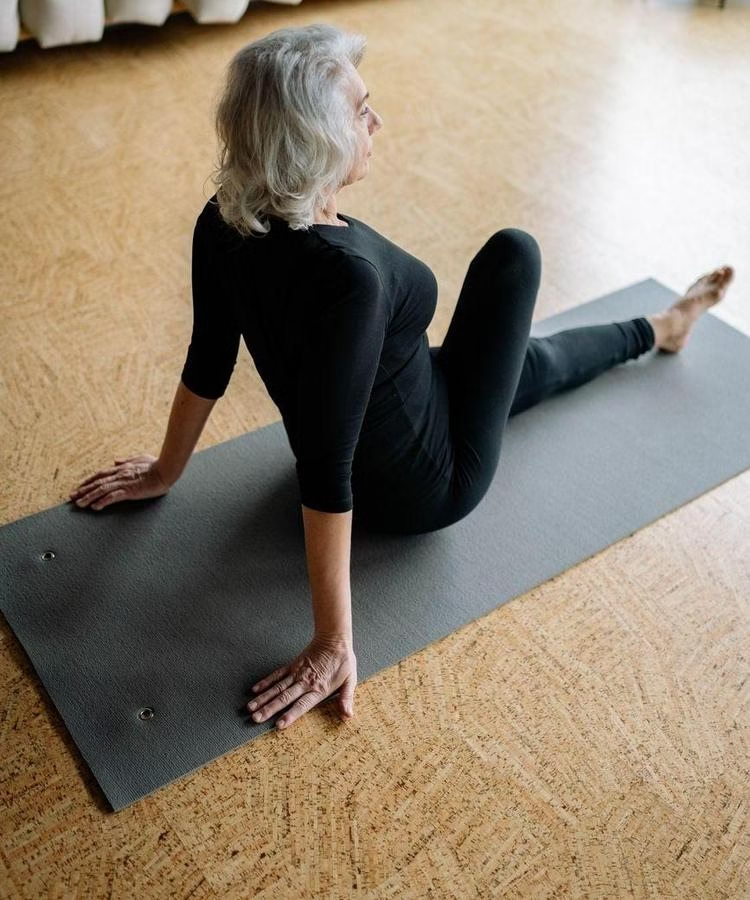
Regular physical activity is a potent antidepressant and anti-anxiety remedy. It releases endorphins, natural mood elevators, and helps reduce cortisol, the stress hormone. The ritual isn’t about becoming an elite athlete; it’s about finding movement that brings you joy and integrating it into your daily life.
Actionable Tip: Commit to 20-30 minutes of moderate activity most days. This could be a brisk walk, yoga, dancing, cycling, or gardening. Focus on how your body feels, the rhythm of your breath, and the sensations of movement – transforming exercise into a mindfulness practice.
Nourishing Nutrition: Fueling Your Brain and Body
What you eat profoundly impacts how you feel. A diet rich in whole foods, lean proteins, healthy fats, and complex carbohydrates provides the essential nutrients your brain needs to function optimally, regulating mood and energy levels.
Actionable Tip: Prioritize balanced meals. Incorporate omega-3 fatty acids (fish, flaxseed), antioxidants (berries, leafy greens), and probiotics (yogurt, fermented foods) known to support brain health. Make eating a mindful experience, savoring each bite.
Restful Sleep Hygiene: The Cornerstone of Emotional Resilience
Sleep deprivation wreaks havoc on mental health, exacerbating stress, irritability, and anxiety. Quality sleep is crucial for emotional regulation, memory consolidation, and cognitive function.
Actionable Tip: Create a consistent sleep schedule, even on weekends. Establish a calming bedtime ritual: dimming lights, reading a book, taking a warm bath, or practicing gentle stretches. Avoid screens and heavy meals before bed to improve your sleep quality.
Hydration as a Ritual: Simple Yet Profound
Often overlooked, adequate hydration is fundamental for both physical and cognitive function. Even mild dehydration can lead to fatigue, difficulty concentrating, and mood disturbances.
Actionable Tip: Make a habit of drinking water throughout the day. Keep a reusable water bottle handy. Start your morning with a glass of water, and consider herbal teas as part of your afternoon wind-down. This simple act can significantly improve mental clarity.
Emotional & Mental Wellness: Cultivating Inner Calm and Resilience
These rituals focus on understanding, processing, and regulating your internal world, building emotional strength.
Mindfulness & Meditation: Anchoring Yourself in the Present
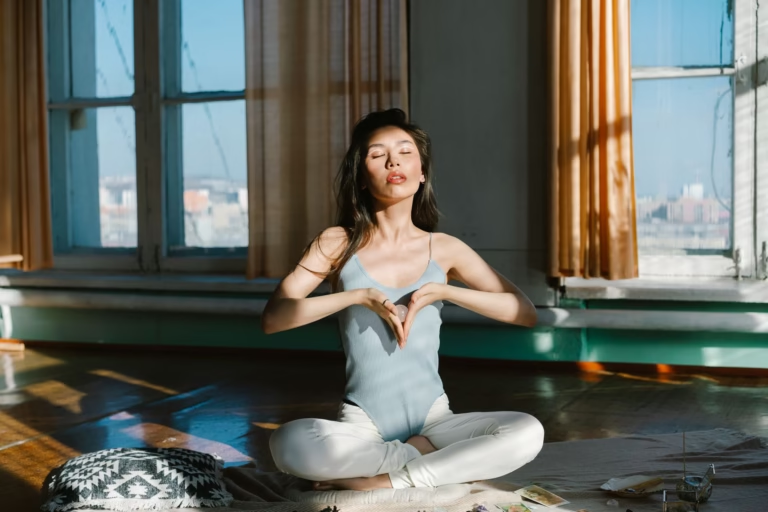
Mindfulness is the practice of being fully present and aware, without judgment. Meditation is a formal practice to cultivate this state. Regular practice can rewire your brain, reducing reactivity to stress and increasing overall calm.
Actionable Tip: Start with 5-10 minutes of guided meditation daily using apps like Calm or Headspace. Practice mindful moments throughout your day: savoring a meal, really listening to a friend, or paying attention to your breath while walking.
Expressive Journaling: Unpacking Thoughts and Emotions
Journaling offers a private, non-judgmental space to explore your thoughts, feelings, and experiences. It can help you identify patterns, process difficult emotions, and gain clarity.
Actionable Tip: Dedicate 10-15 minutes each day to free-form writing. Don’t worry about grammar or structure. Just let your thoughts flow onto the page. You can also use prompts like “What am I grateful for today?” or “What’s weighing on my mind?”
Setting Healthy Boundaries: Protecting Your Energy and Peace
Boundaries are essential for maintaining your emotional and mental well-being. They define what you will and will not accept, protecting your time, energy, and values from depletion.
Actionable Tip: Identify areas where your boundaries might be weak (e.g., saying yes too often, overcommitting). Practice politely declining requests that don’t align with your priorities or energy levels. Communicate your limits clearly and assertively, without guilt.
Intentional Digital Detox: Reclaiming Your Focus
Our digital world, while connected, can be mentally exhausting. Constant notifications, endless scrolling, and comparison culture can fuel anxiety and disrupt focus. An intentional digital detox helps you regain control.
Actionable Tip: Designate screen-free times (e.g., the first hour of your morning, an hour before bed, during meals). Turn off non-essential notifications. Consider one day a week or even a few hours where you completely disconnect from devices and engage with the real world.
Affirmations & Positive Self-Talk: Reshaping Your Inner Dialogue
Our inner dialogue profoundly impacts our mental health. Negative self-talk can erode self-esteem and fuel anxiety. Affirmations are positive statements designed to challenge and replace negative thought patterns.
Actionable Tip: Identify common negative thoughts you have about yourself. Create affirmations that counter these, such as “I am capable and strong,” “I am worthy of peace and joy,” or “I am doing my best.” Repeat them daily, especially when you need a boost.
Deep Breathing Exercises: Instant Calm in Moments of Stress
Deep breathing is a simple yet incredibly powerful tool to calm the nervous system. It activates the parasympathetic nervous system, countering the “fight or flight” response and promoting relaxation.
Actionable Tip: Practice 4-7-8 breathing: Inhale for 4 counts, hold for 7, exhale for 8. Repeat several times. Use this ritual before a stressful meeting, when feeling overwhelmed, or as part of your bedtime routine to induce immediate calm.

Social & Spiritual Connection: Enriching Your World
Humans are social beings, and our connection to others and a sense of purpose are vital for mental well-being.
Meaningful Social Connections: The Power of Belonging
Strong social bonds provide support, reduce feelings of loneliness, and boost happiness. Investing in relationships that uplift and energize you is a critical self-care practice.
Actionable Tip: Prioritize quality over quantity. Schedule regular check-ins with close friends or family. Join a club or group aligned with your interests. Be present and engaged in conversations, cultivating genuine connection.
Engaging Hobbies & Creative Expression: Rekindling Joy
Engaging in activities purely for enjoyment fosters a sense of purpose, reduces stress, and allows for healthy self-expression. It provides a much-needed break from daily demands.
Actionable Tip: Rediscover an old hobby or try something new: painting, playing an instrument, gardening, cooking, crafting, or writing poetry. Dedicate specific time each week to these activities without pressure for perfection.
Immersing in Nature: Grounding Your Spirit
Spending time in nature has scientifically proven benefits for mental health, reducing stress hormones, improving mood, and enhancing cognitive function. It offers a sense of perspective and calm.
Actionable Tip: Integrate “green time” into your week. Take a walk in a local park, sit by a body of water, or simply spend time in your garden. Pay attention to the sights, sounds, and smells of the natural world around you.
Practicing Gratitude: Shifting Your Perspective
Gratitude is more than just saying “thank you.” It’s a conscious practice of acknowledging and appreciating the good in your life, even amidst challenges. This shifts your focus from what’s lacking to what’s abundant.
Actionable Tip: Keep a gratitude journal, listing 3-5 things you’re thankful for each day. Express gratitude directly to others. Take a moment each morning or evening to silently reflect on the blessings in your life.
Acts of Kindness: The Ripple Effect of Giving
Crafting Your Personalized Self-Care Blueprint
While these 15 rituals offer a robust framework, the most effective self-care is highly personal. Your unique needs, circumstances, and preferences will shape your ideal routine.
Assessing Your Needs: What Type of Self-Care Resonates Most?
Self-awareness is key. Pay attention to what depletes your energy and what replenishes it. Do you feel overwhelmed by social obligations? Then perhaps more boundary-setting and solo creative time are in order. Are you feeling physically sluggish? Focus on movement and nutrition. Regularly check in with yourself: “What do I need most right now?”
Expert Insight: Mental health professionals often recommend a “self-care inventory” to identify areas of neglect and opportunity. Reflect on the categories: physical, emotional, mental, social, spiritual, and professional.
Starting Small: Integrating Rituals into a Busy Lifestyle
The idea of implementing 15 rituals overnight can feel daunting. The key is gradual integration. Choose 1-3 rituals that resonate most or address your most pressing needs, and commit to them consistently for a few weeks.
Actionable Tip: Block out specific, non-negotiable time slots in your calendar for your chosen rituals, just as you would for an appointment. Start with 5-10 minute increments. Small, consistent efforts yield significant long-term benefits.

Overcoming Common Barriers: Making Self-Care Sustainable
* “No Time”: Self-care isn’t about *finding* time; it’s about *making* time. Prioritize it as non-negotiable for your well-being. Even 5 minutes of mindful breathing is impactful.
* Guilt: Remind yourself that self-care is not selfish; it’s necessary. You cannot pour from an empty cup.
* Perfectionism: Self-care doesn’t have to be perfect. Some days it will look different than others. The goal is consistency and intention, not flawless execution.
* Lack of Motivation: Start with the easiest, most appealing ritual. Partner with a friend for accountability. Focus on the positive feelings and benefits you gain.
The Long-Term Rewards: A Lifetime of Enhanced Mental Well-being
Committing to these self-care rituals for mental health is not a temporary fix; it’s a lifelong journey towards sustained well-being. Over time, you’ll experience a profound shift: reduced stress and anxiety, improved mood regulation, greater emotional resilience, enhanced creativity, stronger relationships, and a deeper, more abiding sense of inner peace. You’ll move from merely surviving to truly thriving, equipped with the tools to navigate life’s challenges with grace and strength. The daily wellness routine you build today becomes the foundation for a lifetime of mental clarity and happiness.
Frequently Asked Questions (FAQ)
What exactly are “self-care rituals”?
Self-care rituals are intentional, consistent practices designed to nurture your physical, emotional, mental, social, and spiritual well-being. They are proactive habits that prevent burnout and foster a deeper sense of inner peace and mental resilience.
How many self-care rituals should I incorporate into my routine?
There’s no magic number, but the article suggests 15 powerful rituals as a comprehensive starting point. The key is to find what resonates with you and integrate 1-3 new rituals at a time, building a sustainable routine rather than overwhelming yourself.
Is self-care selfish?
Absolutely not. Self-care is essential for your well-being. By prioritizing your well-being, you ensure you have the energy, mental clarity, and emotional capacity to be more present, productive, and supportive of others. It’s about filling your own cup so you have more to give.
How can I make time for self-care if I have a busy schedule?
Start small. Even 5-10 minutes of intentional self-care, like deep breathing or a mindful walk, can make a difference. Prioritize these moments in your calendar as non-negotiable appointments. Remember, consistency over duration is key.
What are the signs I need more self-care?
Common signs include persistent stress, fatigue, irritability, difficulty concentrating, feeling overwhelmed, decreased motivation, increased anxiety, or a general sense of unease. Listen to these signals as cues to adjust your self-care practices.
Can self-care really boost mental health?
Yes, consistently engaging in self-care rituals can significantly boost mental health. It helps reduce stress hormones, improve mood, enhance emotional regulation, build resilience against life’s challenges, and foster a greater sense of calm and happiness.
Are there different types of self-care?
Yes, self-care encompasses various dimensions: physical (exercise, nutrition, sleep), emotional (journaling, boundaries), mental (mindfulness, digital detox), social (connections), and spiritual (nature, gratitude, acts of kindness). A holistic approach addresses all these areas.
How do I choose which self-care rituals are right for me?
Reflect on your current needs and what brings you joy or relief. Experiment with different rituals from each category and observe how they make you feel. Your ideal self-care blueprint is personal and may evolve over time.
What if I try a ritual and it doesn’t work for me?
That’s perfectly normal. Self-care is a journey of discovery. If a ritual doesn’t resonate, don’t force it. Move on to another one or modify it to better suit your preferences. The goal is positive impact, not strict adherence.
How long does it take to see results from self-care?
Some benefits, like reduced immediate stress from deep breathing, can be felt quickly. However, profound shifts in overall mental well-being, emotional resilience, and sustained inner peace typically emerge over weeks and months of consistent practice.
Conclusion: Your Ongoing Journey to a Happier, Healthier Mind
The path to inner peace is not a destination but a continuous journey, paved with intentional self-care. By embracing these 15 powerful self-care rituals for mental health, you are not just managing symptoms; you are actively cultivating a life of balance, joy, and profound resilience. From nourishing your body to enriching your spirit, each ritual is a step towards a more centered and emotionally robust you.
Embrace the Power of Intentional Self-Care
Remember, you deserve to feel good. You have the power to influence your mental landscape and create a sanctuary of calm within. These rituals are not obligations, but invitations to a richer, more fulfilling existence.
Take Your First Step Towards Inner Peace Today
Don’t wait for burnout to strike. Choose one or two rituals from this list that call to you and integrate them into your day starting now. Your journey to unlock inner peace and significantly boost your mental health begins with that first intentional act of self-love. You are worth the investment.
—
Related Reading & Resources
A Beginner’s Guide to Mindfulness Meditation →- The Science of Sleep: How to Improve Your Sleep Hygiene →
- Healthy Eating for a Happier Mind: A Nutritional Guide →
- Mastering Digital Wellness: Tips for a Healthier Online Life →
- Building Stronger Relationships: A Guide to Meaningful Connections →
- Journaling for Mental Clarity: Prompts and Benefits →
- How to Set and Maintain Healthy Boundaries →
- Stress Management Techniques for Daily Life →
- Cultivating Gratitude: Simple Practices for a Positive Mindset →
- The Power of Movement: Exercise for Mood and Energy →
Trusted External References
- World Health Organization (WHO) – Mental Health Resources
- National Institute of Mental Health (NIMH) – Self-Care & Mental Health Info
- American Psychological Association (APA) – Stress & Self-Care Articles
- Mayo Clinic – Articles on Stress Management, Sleep, Nutrition for Mental Health
- Harvard Health Publishing – Wellness and Mental Health Topics
- Mind.org.uk (UK Mental Health Charity) – Information on self-care and well-being
- The Mental Health Foundation – Resources on preventative mental health strategies