


⚡ AT A GLANCE
Exercise for Mental Clarity: Boost Focus & Brain Function
In our fast-paced, digitally driven world, maintaining peak mental performance feels like an uphill battle. Distractions abound, stress accumulates, and the once-sharp edges of our cognitive abilities can feel dulled by the relentless demands of daily life. Perhaps you’re finding it harder to concentrate on tasks, struggling to recall information, or experiencing that frustrating mental fog that makes clear thinking seem impossible. You’re not alone. Many seek solutions to boost their brainpower, often turning to supplements, brain games, or complicated productivity hacks. But what if one of the most powerful, accessible, and scientifically proven methods for sharpening your mind lies not in a pill or an app, but in something far more fundamental: physical exercise?
The Science Behind the Sweat: How Exercise Impacts Your Brain
It’s not just a feeling; the mental boost you get from a good workout is backed by robust scientific evidence. When you exercise, a complex symphony of biological processes kicks into gear, directly influencing your brain’s structure, chemistry, and function. Understanding these mechanisms reveals why movement is so crucial for cognitive health.
Neurotransmitter Release (Dopamine, Serotonin, Norepinephrine) and Mood Regulation
- One of the most immediate effects of exercise on your brain is the surge of neurotransmitters. These chemical messengers play vital roles in mood, motivation, learning, and attention.
- Dopamine: Often associated with the brain’s reward system, dopamine enhances feelings of pleasure, motivation, and focus. Exercise, especially activities you enjoy, can significantly boost dopamine levels, explaining that post-workout ‘high’ and improved concentration.
- Serotonin: This neurotransmitter is crucial for mood regulation, sleep, appetite, and learning. Regular physical activity helps normalize serotonin levels, acting as a natural antidepressant and anxiolytic (anxiety-reducing) agent.
- Norepinephrine (Noradrenaline): Norepinephrine plays a key role in alertness, arousal, and attention. Exercise increases its release, helping you feel more awake, focused, and ready to tackle cognitive challenges.
This cocktail of neurochemicals not only elevates your mood but also creates an optimal environment for your brain to perform at its best, reducing the likelihood of mental fatigue and enhancing your capacity for sustained focus.
Increased Blood Flow and Oxygen Delivery to the Brain
Your brain is a hungry organ, consuming about 20% of your body’s oxygen and calories despite making up only 2% of its weight. Exercise, particularly cardiovascular activity, is incredibly efficient at increasing blood flow throughout your entire body, including your brain. This enhanced circulation delivers more oxygen, glucose, and essential nutrients to brain cells. Think of it like a finely tuned engine receiving a constant, high-quality fuel supply. Better blood flow translates directly to improved cognitive function, allowing brain cells to communicate more efficiently and process information faster. Studies have consistently shown that good cardiovascular health is strongly linked to a reduced risk of cognitive decline in later life.


Neurogenesis and Brain-Derived Neurotrophic Factor (BDNF) – Growing New Brain Cells
Perhaps one of the most groundbreaking discoveries in neuroscience is that the adult brain can grow new cells – a process called neurogenesis. Exercise is one of the most potent stimulators of neurogenesis, particularly in the hippocampus, a brain region critical for learning and memory. This incredible feat is largely facilitated by Brain-Derived Neurotrophic Factor (BDNF). Often called “Miracle-Gro for the brain,” BDNF is a protein that promotes the growth, survival, and differentiation of neurons and synapses. It strengthens existing neural connections and encourages the formation of new ones, essentially making your brain more adaptable and resilient. High levels of BDNF are associated with better memory, enhanced learning capabilities, and protection against neurodegenerative diseases. Regular physical activity, especially aerobic exercise, is a reliable way to boost BDNF production.
Reducing Inflammation and Oxidative Stress for Optimal Brain Health
Chronic inflammation and oxidative stress are silent enemies of brain health. They can damage brain cells, impair neural communication, and contribute to cognitive decline, including brain fog and reduced mental sharpness. Exercise acts as a powerful anti-inflammatory agent. By reducing systemic inflammation, it protects delicate brain tissues from damage. Additionally, while intense exercise can temporarily increase oxidative stress, regular, moderate exercise actually enhances the body’s antioxidant defenses, helping to neutralize harmful free radicals and protect brain cells from oxidative damage. This protective effect ensures a healthier cellular environment, allowing your brain to function more efficiently and resiliently over time.
Tangible Benefits: How Exercise Manifests as Mental Clarity
The scientific mechanisms translate directly into noticeable improvements in your daily cognitive experience. These aren’t just abstract concepts; they are real, measurable enhancements that can transform your productivity, emotional well-being, and overall quality of life.
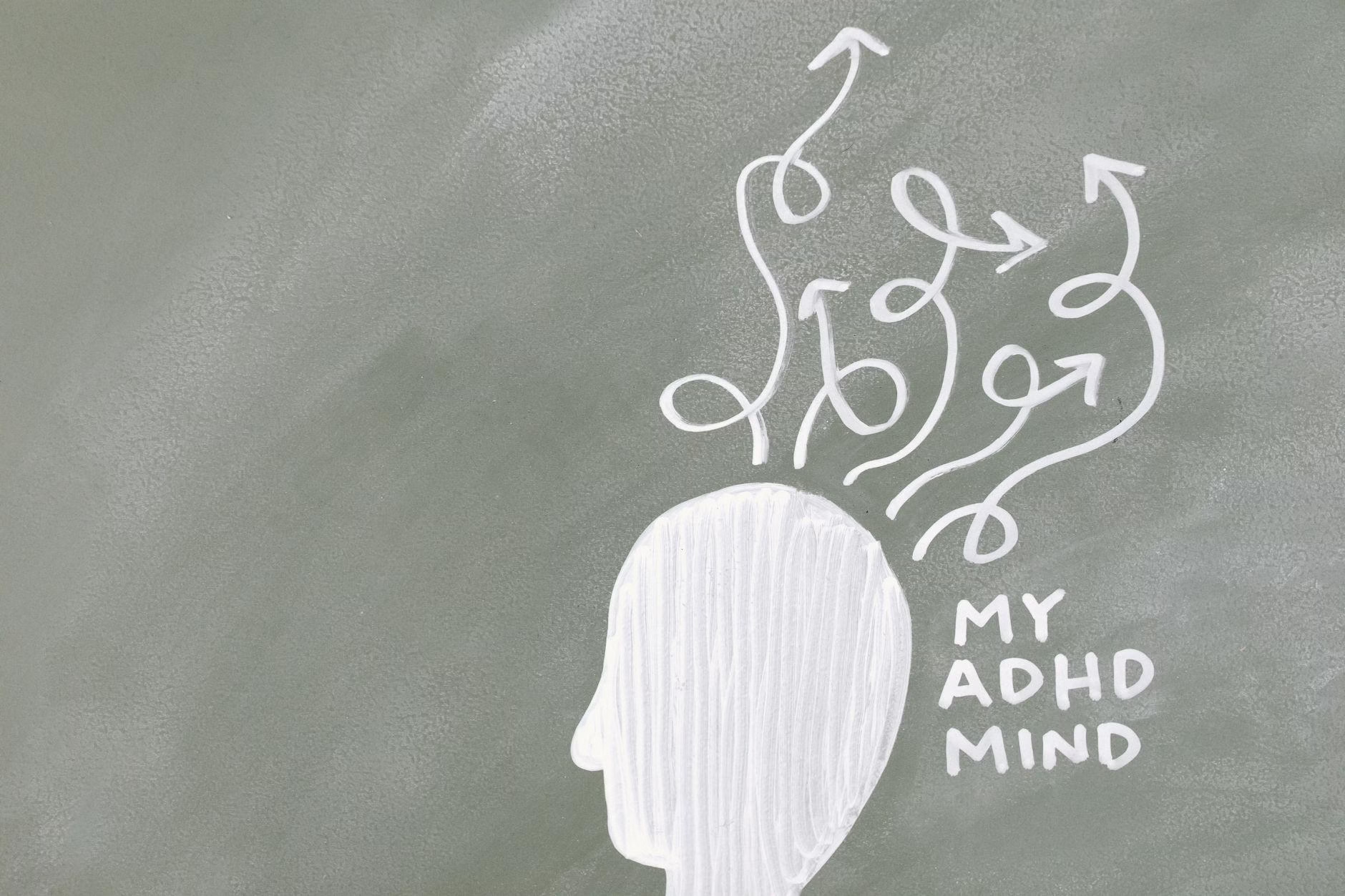
Enhanced Focus and Concentration: Staying on Task Longer
Do you find your mind wandering during important tasks? Exercise can significantly improve your ability to concentrate. The increased blood flow and neurotransmitter release (especially dopamine and norepinephrine) sharpen your attention span and make it easier to ignore distractions. Regular physical activity trains your brain to filter out irrelevant stimuli and maintain sustained focus, whether you’re working on a complex project, studying for an exam, or simply trying to read a book without interruption. This translates to increased productivity and a greater sense of accomplishment.
Improved Memory and Learning Ability: Retain Information Better
As discussed, exercise boosts BDNF and neurogenesis in the hippocampus, the brain’s memory hub. This directly leads to improvements in both short-term and long-term memory. Whether it’s recalling names, remembering facts, or learning new skills, an active lifestyle primes your brain for better information retention and retrieval. Students who exercise regularly often report better academic performance, and adults find they can learn new hobbies or professional skills with greater ease.
Better Problem-Solving Skills and Decision Making
A clear mind is a good decision-maker. Exercise improves executive functions, which include planning, organizing, multitasking, and problem-solving. By reducing stress, enhancing focus, and improving blood flow, physical activity helps you approach complex problems with a calmer, more analytical mindset. It allows for clearer thought processes, helping you weigh options more effectively and arrive at sounder decisions, both in personal and professional contexts.


Stress Reduction and Emotional Resilience: A Clearer Head
Mental clarity isn’t just about processing speed; it’s also about the absence of cognitive clutter caused by stress, anxiety, and negative emotions. Exercise is a powerful stress reliever. It lowers levels of stress hormones like cortisol and releases endorphins, which have mood-boosting effects. Regular physical activity provides an outlet for pent-up energy and tension, helping to calm your nervous system. By fostering emotional resilience, exercise allows you to navigate life’s challenges with a clearer head, less emotional reactivity, and a greater sense of calm, thus freeing up mental resources that would otherwise be consumed by worry.
Combating Mental Fatigue and Eliminating Brain Fog
Brain fog – that pervasive feeling of mental sluggishness, lack of clarity, and difficulty concentrating – is a common complaint. Exercise is a potent weapon against it. By improving oxygen delivery, nutrient supply, and waste removal from the brain, physical activity directly combats the physiological underpinnings of mental fatigue. It energizes the brain, making it more alert and less prone to the “haze” that can impede clear thinking. Even short bursts of activity can significantly alleviate brain fog, offering a refreshing cognitive boost.
Types of Exercise for Optimal Brain Health
While any movement is better than none, certain types of exercise offer unique and complementary benefits for your brain. A well-rounded fitness routine that incorporates various modalities will yield the best cognitive results.
Aerobic Exercise (Cardio): The Foundation for Brain Blood Flow
Aerobic exercise, often called cardio, is the cornerstone of brain health. Activities that elevate your heart rate and get you breathing harder, like running, brisk walking, swimming, cycling, or dancing, are excellent for boosting blood flow to the brain, enhancing oxygen and nutrient delivery, and stimulating BDNF production. Aim for at least 150 minutes of moderate-intensity aerobic exercise or 75 minutes of vigorous-intensity aerobic exercise per week. Consistency is key here; even a 30-minute brisk walk most days of the week can make a significant difference.

Strength Training: Hormonal Benefits and Overall Brain Support
Don’t overlook the weights! Strength training, or resistance exercise, builds muscle and bone density, but it also has profound cognitive benefits. It improves insulin sensitivity, which is crucial for brain energy regulation, and can enhance the release of certain hormones that support brain function. Additionally, strength training helps reduce inflammation and can improve sleep quality, both of which indirectly support mental clarity and focus. Incorporate strength training sessions 2-3 times per week, working all major muscle groups. This could involve bodyweight exercises, free weights, or resistance bands.
Mind-Body Practices (Yoga, Tai Chi): Focus and Stress Reduction
Practices like yoga and Tai Chi offer a powerful blend of physical movement, breath control, and mindfulness. These disciplines are exceptional for reducing stress, improving balance, and enhancing proprioception (awareness of your body in space). Critically for mental clarity, they cultivate focused attention and present-moment awareness, which directly translates to improved concentration in other areas of life. The meditative aspects of these practices can calm the nervous system, reduce anxiety, and promote a sense of inner peace, creating an optimal state for clear thinking. Even 15-20 minutes of daily yoga or Tai Chi can significantly enhance mental well-being.
High-Intensity Interval Training (HIIT): Short Bursts, Big Gains
HIIT involves short, intense bursts of anaerobic exercise followed by brief recovery periods. While demanding, HIIT can be incredibly time-efficient and highly effective for brain health. The rapid changes in heart rate and oxygen demand challenge the cardiovascular system, leading to significant improvements in blood flow and BDNF production. Emerging research suggests that HIIT can improve memory, learning, and executive functions. However, due to its intensity, it’s best to incorporate HIIT 1-2 times per week, ensuring proper warm-up and cool-down, and listening to your body.
Integrating Exercise into Your Daily Routine for a Sharper Mind
Knowing the benefits is one thing; consistently acting on them is another. The good news is that integrating exercise for mental clarity doesn’t require a complete lifestyle overhaul. Small, consistent steps can lead to significant, lasting improvements.
Start Small and Be Consistent: Making It a Habit
The biggest mistake people make is trying to do too much too soon. Instead of aiming for an hour-long gym session daily, start with something manageable. A 10-15 minute walk during your lunch break, a few bodyweight exercises in the morning, or a short yoga routine. The key is consistency. Make it a non-negotiable part of your day, even if it’s brief. Over time, as your fitness improves and you feel the cognitive benefits, you’ll naturally want to do more. Building a habit takes time and repetition, not Herculean efforts from day one.
Find Activities You Enjoy: Sustainability is Key
If exercise feels like a chore, you’re less likely to stick with it. Experiment with different activities until you find something you genuinely enjoy. Do you love the outdoors? Try hiking or cycling. Prefer social interaction? Join a sports team or a dance class. Enjoy solitude? Consider swimming or solo walks. When an activity brings you joy, it becomes a sustainable part of your life, not just a temporary fix. This intrinsic motivation is critical for long-term adherence and reaping continuous cognitive benefits.
Schedule Your Workouts: Prioritizing Brain Health
Just as you schedule important meetings or appointments, block out time for your physical activity. Treat it as a priority for your brain health, not just your body. Whether it’s first thing in the morning, during your lunch break, or after work, scheduling helps eliminate excuses and creates a routine. If possible, consider morning workouts – they can jumpstart your brain for the day, enhancing focus and mood from the outset. Use a calendar or a fitness app to keep yourself accountable.
Complement Exercise with Other Brain-Boosting Habits (Nutrition, Sleep)
- While exercise is incredibly powerful, its effects are amplified when combined with other healthy lifestyle choices.
- Nutrition: Fuel your brain with a balanced diet rich in omega-3 fatty acids (found in fish, flaxseed), antioxidants (berries, leafy greens), and whole grains. Avoid excessive sugar and processed foods, which can contribute to brain fog and inflammation.
- Sleep: Prioritize 7-9 hours of quality sleep per night. Sleep is essential for memory consolidation, waste removal from the brain, and overall cognitive restoration. Without adequate sleep, even the best exercise routine won’t fully optimize your mental clarity.
- Mindfulness & Learning: Engage in mentally stimulating activities like reading, learning a new skill, or meditation. These, combined with physical activity, create a synergistic effect for maximum brain health.
Conclusion: Invest in Your Body, Invest in Your Brain
The evidence is overwhelming: exercise is not just about sculpting your physique; it’s a profound investment in your cognitive health and emotional well-being. From the intricate dance of neurotransmitters to the remarkable growth of new brain cells, movement literally rewires your brain for enhanced performance. It’s the ultimate natural hack for boosting focus, sharpening memory, improving decision-making, and banishing the pervasive haze of brain fog.

We’ve explored the scientific mechanisms that make sweat so beneficial for your gray matter, delved into the tangible improvements you can expect in your daily life, and outlined the most effective types of exercise to incorporate. More importantly, we’ve provided practical, actionable strategies to integrate these powerful practices into your routine, emphasizing consistency, enjoyment, and a holistic approach.
Your brain is your most valuable asset. It’s the engine of your thoughts, emotions, and aspirations. By committing to regular physical activity, you’re not just moving your body; you’re nurturing your mind, building resilience, and unlocking a clearer, sharper, and more focused version of yourself. Don’t wait for mental fatigue to set in or for focus to wane. The time to act is now.
Your Call to Action: Start Moving for a Sharper, Clearer Mind. Pick one small, enjoyable activity – a brisk 15-minute walk, a short yoga video, or a quick bodyweight circuit – and do it today. Experience the immediate lift in your mood and clarity. Then, commit to making it a consistent part of your week. Your brain will thank you.
—
Frequently Asked Questions
01How quickly can exercise improve mental clarity?
▼
02What is the best type of exercise for reducing brain fog?
▼
03How much exercise is recommended to boost brain function?
▼
04Does exercise help with memory retention?
▼
05Can exercise help with anxiety and stress-related mental fatigue?
▼
06Is walking enough to get cognitive benefits?
▼
07What is BDNF, and how does exercise affect it?
▼
08Are there specific exercises to improve focus and concentration?
▼
09Can exercise prevent age-related cognitive decline?
▼
010What role does nutrition play alongside exercise for brain clarity?
▼
-
📖 *Understanding Brain Fog: Causes, Symptoms, and Solutions: A related article discussing the broader aspects of brain fog.
→
-
📖 *The Ultimate Guide to Boosting BDNF Naturally: An article focused solely on BDNF and ways to increase it.
→
-
📖 *Mindfulness for Beginners: Improving Focus and Reducing Stress: A post about mindfulness practices that complement exercise.
→
-
📖 *Healthy Eating for Brain Health: A Nutritional Guide: An article detailing diets impact on cognition.
→
-
📖 *Sleep Hacking: Optimize Your Rest for Peak Performance: A guide on improving sleep quality for cognitive benefits.
→
- 🔗 Harvard Health Publishing: For articles on exercise, brain health, and cognitive function.
- 🔗 National Institutes of Health NIH / National Institute of Neurological Disorders and Stroke NINDS: For scientific research and information on neurological processes.
- 🔗 American Heart Association AHA: For information on cardiovascular health and its link to brain health.
- 🔗 Mayo Clinic: For expert-reviewed health information on exercise, stress, and cognitive well-being.
- 🔗 World Health Organization WHO: For global guidelines and reports on physical activity and health.