

⚡ AT A GLANCE
Optimal Hydration: Unlock Energy, Clear Skin & Better Health
**Introduction: More Than Just Thirst-Quenching**
Water. It constitutes roughly 60% of our bodies, a silent architect behind every cellular function. We often reach for it out of thirst, yet its profound impact on our overall well-being extends far beyond simple replenishment. Optimal hydration isn’t merely about survival; it’s the fundamental key to unlocking sustained energy, sharper cognitive function, radiant skin, and a robust internal system. Despite its critical role, many subtly under-hydrate daily, unknowingly compromising their health.
The Core Health Benefits of Optimal Hydration
Embracing optimal hydration can lead to transformative improvements across your entire well-being.
Boosted Energy and Reduced Fatigue
Chronic fatigue often has a surprising culprit: mild dehydration. Water is crucial for transporting oxygen and nutrients to cells, vital for energy production. When dehydrated, blood volume decreases, forcing your heart to work harder to circulate blood. This inefficiency drains your energy reserves, leaving you feeling sluggish. Adequate daily water intake ensures efficient metabolic processes and consistent energy levels, combating the notorious mid-afternoon slump.
Enhanced Cognitive Function and Mood
Your brain, composed of approximately 75% water, is highly sensitive to fluid balance. Even slight dehydration (a 1-3% fluid loss) can impair critical cognitive functions, leading to reduced concentration, slower reaction times, and short-term memory issues. That “brain fog” might simply be a signal for water. Beyond cognitive performance, hydration significantly impacts mood. Studies link dehydration to increased anxiety, tension, and fatigue. Prioritizing water supports mental clarity, improved focus, and a more stable emotional state, enhancing overall brain health.
Glowing Skin and Hair Health
For radiant skin and vibrant hair, hydration works wonders from within. Water maintains skin elasticity and plumpness, reducing the appearance of fine lines and giving a healthy, youthful glow. It aids in flushing out toxins, which can mitigate breakouts and dullness. Dehydration, conversely, leads to dry, flaky skin. For hair, adequate water intake nourishes follicles, promoting strength, growth, and natural luster, preventing dryness and brittleness. It’s the ultimate internal beauty treatment.
Supporting Digestion and Nutrient Absorption
Water is fundamental for a healthy digestive system. It forms saliva, aids in food breakdown, and helps dissolve nutrients for absorption. Crucially, water keeps stool soft, preventing constipation and ensuring regular, smooth bowel movements. Without sufficient water, the body struggles to process food, absorb essential nutrients, and eliminate waste efficiently, leading to discomfort and potential long-term issues. Optimal hydration ensures your digestive tract functions seamlessly.
Regulating Body Temperature
Maintaining a stable body temperature is a critical survival mechanism, and water is the primary thermoregulator. When your internal temperature rises (e.g., during exercise or in hot weather), your sweat glands release water onto your skin. As this sweat evaporates, it efficiently cools your body. Insufficient water intake impairs this cooling mechanism, increasing the risk of overheating and heat-related illnesses, from mild exhaustion to severe heatstroke.
Lubricating Joints and Protecting Tissues
Just like oil in an engine, water provides essential lubrication for your body’s moving parts. It’s a key component of synovial fluid, which surrounds your joints, reducing friction and enabling smooth, pain-free movement. Beyond joints, water acts as a protective cushion for vital organs, tissues, and the spinal cord, absorbing shock and protecting against physical impacts. Consistent hydration is vital for long-term joint integrity and overall physical resilience.
Aiding in Weight Management
Water is a simple yet powerful tool in weight management. Often, feelings of hunger are actually misconstrued thirst signals. Drinking a glass of water before meals can promote satiety, potentially reducing overall calorie intake. Swapping sugary sodas and juices for water eliminates empty calories. Additionally, there’s evidence that water can slightly boost metabolism, supporting your body’s calorie-burning efforts. It’s a zero-calorie, cost-effective way to support a healthy weight.
Detoxing Your Body Naturally
Your kidneys are sophisticated filters, continuously cleansing your blood of waste products and toxins. Water is indispensable for this process. It enables your kidneys to efficiently filter metabolic waste, such as urea and excess salts, which are then excreted in urine. When you’re dehydrated, kidney function can be compromised, leading to a less efficient removal of waste and a potential build-up of toxins. Optimal hydration ensures your kidneys perform their vital detoxification, maintaining a clean and healthy internal environment. This is one of the most critical body functions reliant on water.



Recognizing the Signs of Dehydration
Understanding when your body needs water is crucial. Dehydration often begins with subtle warnings before progressing to more noticeable symptoms. Ignoring these dehydration effects can lead to significant discomfort and health issues.
Subtle Clues You Might Be Missing
* Persistent Fatigue: Feeling unusually tired despite adequate sleep.
* Headaches: Often described as dull or throbbing.
* Dry Mouth and Bad Breath: Reduced saliva allows bacteria to flourish.
* Dark Urine: Healthy urine should be pale yellow; darker indicates concentration.
* Reduced Urination Frequency: Fewer trips to the bathroom mean less fluid intake.
* Muscle Cramps: Particularly during physical activity, due to electrolyte imbalance.
* Irritability or Mood Swings: Impact on brain chemistry can alter disposition.
* Dizziness or Lightheadedness: Especially when standing up quickly, due to decreased blood volume.
* Dry, Non-Elastic Skin: Skin may not quickly return to normal after being pinched.
Immediate Steps to Rehydrate
If you suspect dehydration, prompt action is key:
1. Sip Water Steadily: Avoid guzzling large amounts. Small, frequent sips are more effective.
2. Consider Electrolytes: For moderate to severe cases, or after intense sweating/illness, an oral rehydration solution or a low-sugar sports drink can replenish lost salts.
3. Eat Hydrating Foods: Consume fruits and vegetables like watermelon, cucumber, and oranges.
4. Avoid Dehydrating Beverages: Steer clear of alcohol, sugary sodas, and excessive caffeine.
5. Rest: Allow your body to recover and rebalance its fluid levels.
Practical Tips for Staying Consistently Hydrated
Transforming knowledge into habit requires practical strategies. Here’s how to maintain optimal hydration effortlessly.
Setting Daily Water Goals
Move beyond generic advice to a personalized approach. A common guideline suggests aiming for half your body weight in ounces of water daily. For example, a 160-pound individual would target 80 ounces (approximately 2.4 liters). Adjust this goal based on your activity level, the climate, and any specific health conditions.
* Visual Cues: Invest in a reusable water bottle with time markers or a large capacity to encourage consistent sipping.
* Scheduled Reminders: Utilize smartphone apps or set alarms to prompt regular water breaks throughout your day.
* Morning Ritual: Start each day with a large glass of water to rehydrate after sleep and kickstart your metabolism.
* Pre-Meal Habit: Drink water before meals to aid digestion and potentially reduce overall food intake.
Infused Water Recipes
If plain water lacks appeal, infuse it with natural flavors to make hydration a delightful experience. This is an excellent way to boost your daily water intake without resorting to sugary alternatives.
* Cucumber & Mint: Incredibly refreshing and cooling, ideal for warm weather.
* Lemon & Ginger: A zesty, slightly spicy combination that can also support digestion.
* Mixed Berries & Basil: A sweet, aromatic blend rich in antioxidants.
* Orange & Thyme: A unique, invigorating flavor profile.
Simply slice your preferred fruits, vegetables, or herbs, add them to a pitcher of water, and allow them to infuse in the refrigerator for a few hours.
Hydrating Foods to Incorporate
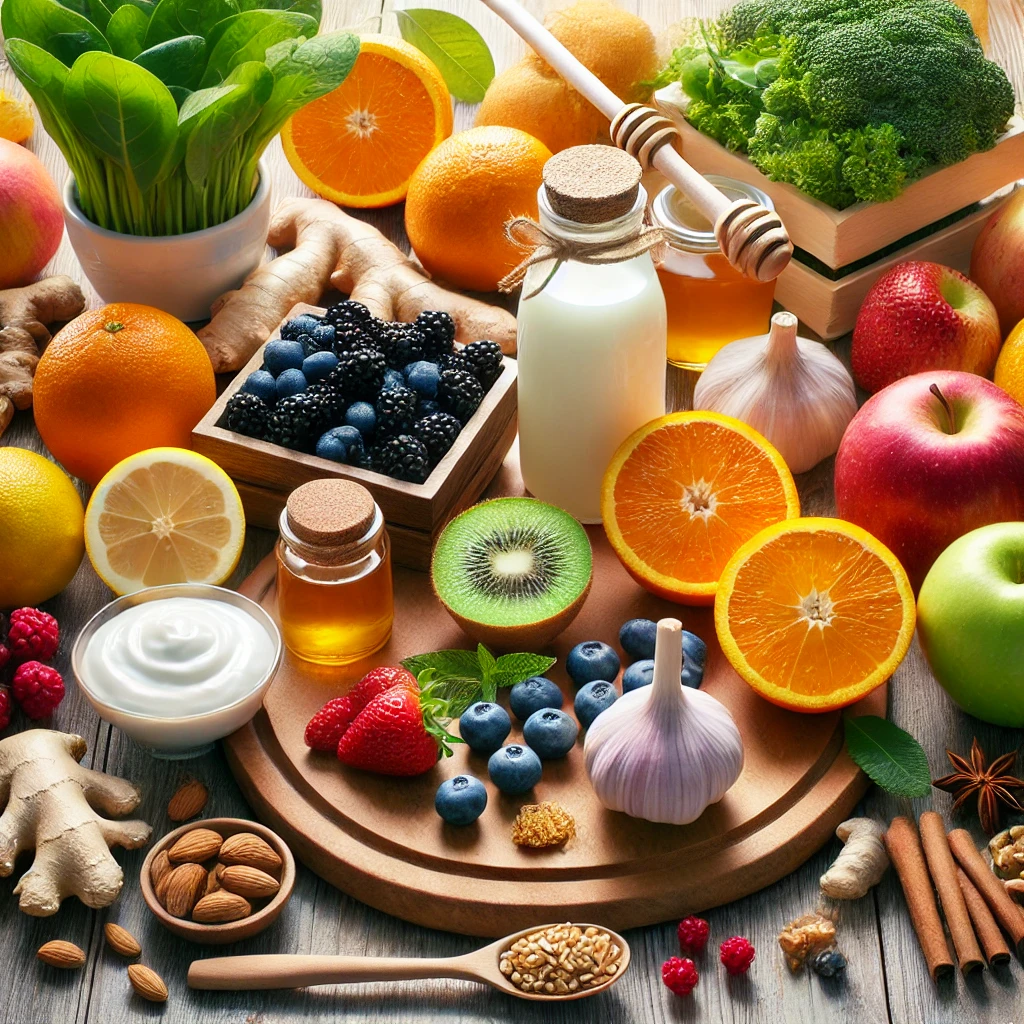
Remember that a significant portion of your water intake can come from your diet. Many fruits and vegetables boast high water content, contributing substantially to overall hydration and providing essential nutrients.
* Watermelon (92% water): A classic, refreshing, and nutrient-dense choice.
* Cucumbers (95% water): Perfect in salads or as a crunchy snack.
* Strawberries (91% water): Sweet, juicy, and packed with vitamins.
* Bell Peppers (92% water): Great for snacking or adding to meals.
* Spinach (91% water): A leafy green powerhouse for salads and cooking.
Incorporating these foods regularly can subtly yet effectively elevate your hydration levels.
The Role of Electrolytes
While pure water is usually sufficient, electrolytes become vital in specific scenarios. These charged minerals (sodium, potassium, magnesium, calcium) are essential for nerve, muscle, and fluid balance functions.
* When They’re Needed: During prolonged intense exercise (over 60 minutes), in hot climates with heavy sweating, or during bouts of illness involving vomiting or diarrhea, your body loses significant electrolytes alongside water.
* Optimal Sources: For intense activity, consider low-sugar sports drinks or oral rehydration solutions. Coconut water is a natural source of potassium. For everyday needs, a balanced diet rich in fruits, vegetables, and whole grains typically provides ample electrolytes. Avoid excessive electrolyte supplementation if not truly needed, as imbalance can occur.



Conclusion: Make Hydration Your Daily Habit for a Healthier Life
Optimal hydration is not just a health trend; it’s a foundational pillar of well-being. From energizing our cells and sharpening our minds to enhancing skin health and supporting our vital organ functions, the comprehensive benefits are undeniable. The insidious nature of dehydration effects often means we overlook the simple solution staring us in the face.
Recap of Key Benefits
By consistently prioritizing water, you unlock:
* Significantly improved energy and reduced fatigue.
* Enhanced cognitive clarity, mood, and focus.
* Radiant skin and healthier hair.
* Efficient digestion and nutrient absorption.
* Stable body temperature regulation.
* Lubricated joints and protected tissues.
* Effective support for weight management.
* Natural and efficient bodily detoxification.
A Call to Action for Better Hydration
The path to a healthier, more vibrant you begins with conscious hydration. Take the proactive step today: set personalized daily water intake goals, keep a water bottle within reach, experiment with delicious infused water, and integrate hydrating foods into your diet. Tune into your body’s subtle cues—those whispers of thirst or fatigue that signal a need for replenishment. Don’t wait until you’re parched. Embrace hydration as a daily, non-negotiable habit, and witness the profound positive transformation it brings to every facet of your life. Drink up, live fully!
—

Frequently Asked Questions
01How much water should I drink daily?
▼
02What are the primary signs of dehydration?
▼
03Can drinking more water help with weight loss?
▼
04How does water affect my skin and hair?
▼
05Is coffee or tea considered part of my daily water intake?
▼
06When should I use electrolyte drinks instead of plain water?
▼
07What role does water play in digestion?
▼
08Can dehydration affect my mood and cognitive function?
▼
09What are some easy ways to increase my daily water intake?
▼
010Is it possible to drink too much water?
▼
- 🔗 Mayo Clinic, Centers for Disease Control and Prevention CDC, Harvard T.H. Chan School of Public Health, National Academies of Sciences, Engineering, and Medicine NAM, American Journal of Clinical Nutrition, National Kidney Foundation, American Council on Exercise ACE, Institute of Medicine IOM, PubMed, World Health Organization WHO