

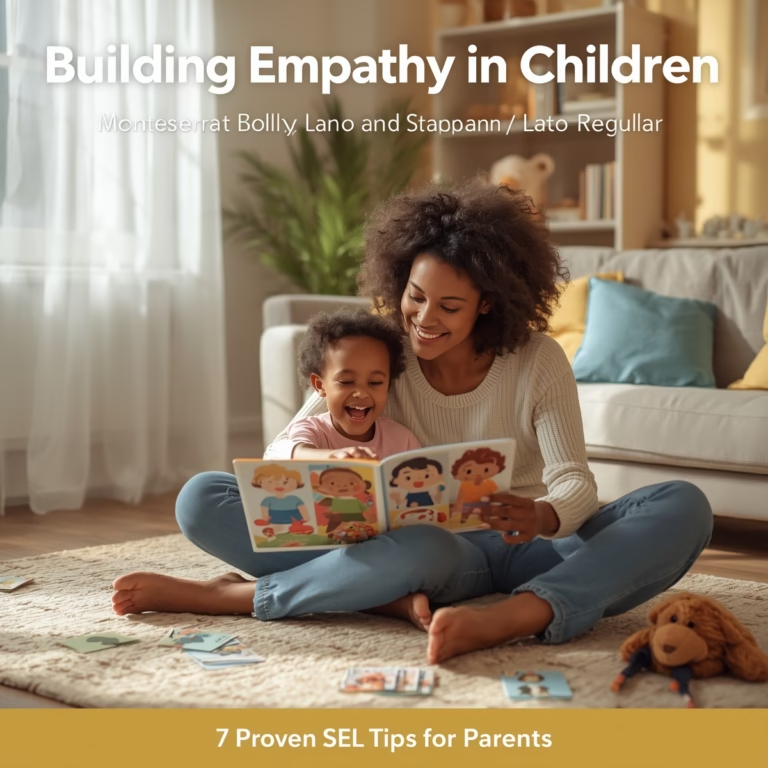
Hey there, fellow parent! Ever watched your little one struggle to understand why their friend is upset, or notice them grabbing toys without a second thought? Building empathy in children isn’t just a nice-to-have—it’s a game-changer for their emotional growth and future success. As a mom who’s juggled playdates and tantrums, I know how tricky it can feel. But here’s the good news: Social-Emotional Learning (SEL) makes it simple and fun. Drawing from experts at Harvard’s Making Caring Common project and child development pros, this guide shares building empathy in children you can try right now.
Why Focus on Building Empathy in Children Right Now?
Picture this: Your child glued to a screen one minute, then dealing with playground drama the next. Sound familiar? In our crazy-busy world, kids face more social pressures than ever before. But here’s the exciting part—building empathy in children through Social-Emotional Learning (SEL) is like giving them a superpower.
Research backs it up: empathetic kids do better in school, bully others less, and grow into resilient adults who handle life’s ups and downs. Dr. Richard Weissbourd from Harvard’s Making Caring Common project puts it perfectly: ‘Empathetic children show better self-control and form deeper, more meaningful connections.’
And get this—US parents are absolutely loving SEL right now! They’re sharing stories of how it transforms those classic ‘me-first’ toddler moments into genuine compassion. One mom told me, ‘My 5-year-old actually comforted his crying friend at the park last week!’ It’s real, it’s working, and it’s exactly what our kids need today.
Tip 1: Model Empathy—Be the Hero Your Child Sees
Here’s a parenting secret that changed everything for me: Kids are like little sponges soaking up EVERYTHING you do (not just what you say). Let me paint you a picture—picture yourself stuck in rush-hour traffic, horns blaring everywhere. Instead of muttering under your breath, you casually say to your backseat passenger, ‘That driver up front must be rushing to an important meeting—poor guy looks stressed!’ Boom. Without even trying, you’re building empathy in children right there in the minivan.
Experts at Zero to Three nailed it when they said: Start by empathizing with YOUR child first. Next time your little one clutches their favorite toy during playtime and wails, ‘MINE!’, try this magic phrase: ‘I see you’re really sad about sharing your truck. It’s super hard when it’s your absolute favorite, right?’
Watch what happens—they feel seen. That emotional mirror you hold up? It teaches them to do the same for others. Make it a family habit at dinner: ‘Grandma looks tired after her long day—should we give her a big hug?’ Suddenly, your home becomes an empathy-building classroom, and your kids start noticing feelings everywhere!


Tip 2: Dive into Books That Spark Heartfelt Conversations
Want a foolproof way to spark building empathy in children? Nothing beats curling up with a good picture book. Stories are magic—they let kids safely slip into someone else’s shoes and feel what they feel.
My absolute favorites from ReadBrightly? Hey, Little Ant by Phillip Hoose—picture a boy with a shoe raised over a tiny ant, debating ‘Should I squish him?’ Pause right there and ask your child, ‘How do you think that little ant feels right now?’ It’s pure gold for empathy discussions!
Then there’s Listening with My Heart by Gabi Garcia ($12.99 on Amazon)—a beautiful blend of self-compassion and caring for others that parents rave about. The best part? Read aloud, hit pause at emotional moments, and ask: ‘What do you think this character is feeling inside?’
Here’s the magic: Parents tell me their kids start quoting these stories during REAL playground drama! ‘Mommy, remember the ant? My friend feels scared too!’ Boom—instant empathy in action.
Tip 3: Play Emotion Games to Make SEL Fun and Interactive
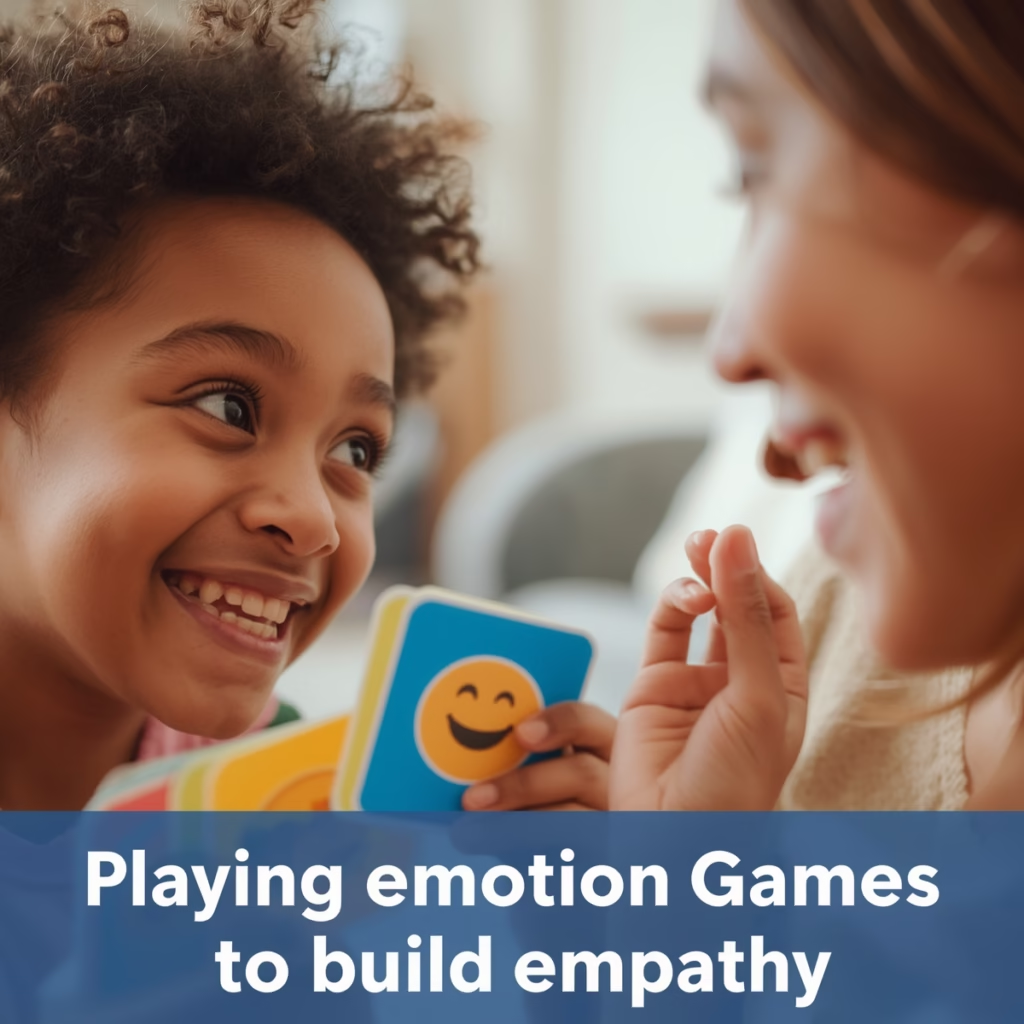
Ready to make building empathy in children feel like the BEST playtime ever? SEL experts at Begin Learning have genius games that sneak in emotional smarts while kids giggle nonstop.
Try ‘Musical Feelings’: Grab paper plates, draw big happy/sad/angry faces with markers. Crank up the music—when it stops, everyone freezes in that emotion pose! Instant laughter + emotional vocabulary.
Stuffed Animal Drama: Line up teddy bears and say, ‘Oh no, the brown bear feels left out of the picnic! How can a yellow teddy help?’ Watch your child’s problem-solving superpowers activate.
Big Life Journal’s Jenga Twist: Assign emotions to colors—pull a blue block? Share something that made you sad this week. Green? Something that made you happy. Kids BEG to play, and suddenly they’re masters of feelings!
The best part? You’re building empathy in children while they think it’s just super fun. Win-win parenting at its finest!
Tip 4: Practice Perspective-Taking in Everyday Moments
Put yourself in their shoes’ isn’t just a catchy phrase—it’s pure gold when it comes to building empathy in children through SEL. Imagine a classic sibling clash: Your little one snatches their brother’s favorite truck. Instead of jumping straight to discipline, gently ask, ‘How do you think your brother felt when you took his truck?’
Experts at St. Louis Children’s Hospital stress the importance of starting early—help your child name emotions like anger, sadness, or happiness to make feelings easier to understand. Harvard adds that talking about differences is equally important. You might say, ‘See that kid? They dress differently—that probably means they’re excited about their new shoes!’
These everyday conversations are powerful. With time, they help transform reactive reactions into thoughtful, empathetic responses—one gentle question at a time. This is how you truly nurture compassion and emotional growth in your little ones.
Tip 5: Encourage Kind Acts and Gratitude Rituals
Hands-on kindness cements empathy. Help your child write thank-you notes or donate toys, saying, “This will make someone smile!” Making Caring Common suggests comforting a teased classmate. Pair it with journaling: End the day noting “one kind thing we did.” Studies show this boosts positive social behaviors. For busy parents, it’s quick—10 minutes of “kindness bingo” (smile at a neighbor, hold a door) works wonders.
Tip 6: Teach Active Listening and Self-Regulation
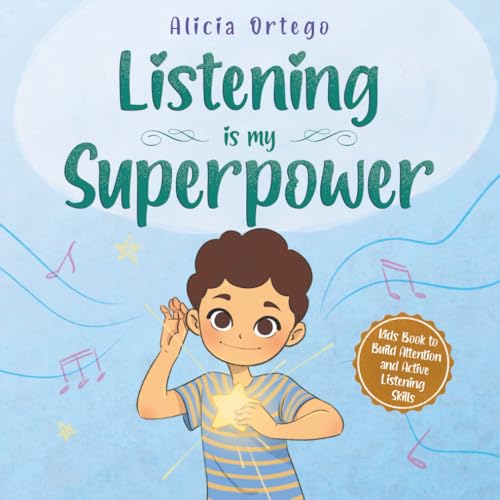
Empathy really begins with one simple skill: listening deeply. Show your children how to look people in the eye and ask open questions like, ‘Tell me more about your day.’ This teaches them to care and truly hear others’ feelings. One of Begin Learning’s sweetest tools? Stuffed animal role-play, where kids practice these conversations in a safe, fun way.
And here’s a pro parenting tip: before your child reacts in anger or frustration, introduce a calming breathing exercise. Teach them to pause and count to five while thinking, ‘How might the other person feel right now?’ This powerful combo of active listening and self-regulation calms meltdowns and opens the door to real understanding.
By coaching these small but mighty habits, you’re gently building empathy in children every day—making your home a kinder, more connected place to grow.

Age-Specific Advice for Building Empathy in Children
- Toddlers (2-3 years): Lay the Foundation
Little ones need simple, repetitive emotional language. Try saying, “You’re frustrated that the tower fell down, huh?” every day—it helps them connect words to feelings. Pro tip: Get a kid-safe mirror and play “What face am I making?” during diaper changes. They’ll love seeing their happy/sad faces and start recognizing emotions everywhere! - Preschoolers (4-5 years): Make It Visual & Fun
Grab old magazines and let them create emotion collages. “Cut out angry faces, happy faces—make a ‘feelings poster’ for your room!” Add a mirror selfie station where they draw their daily emotion. Parents swear this turns “I don’t know” into “I’m feeling excited/scared!” during tough moments. - School-Age (6+ years): Deepen the Practice
Introduce loving-kindness meditation (just 2 minutes!): “Close your eyes. Picture your best friend smiling. Now send them happy thoughts. Now picture a kid you don’t know well—send them happy thoughts too.” Pair it with “Gratitude jar” nights—write one kind thing someone did for you. This builds compassion for strangers and strengthens friendships.
Bonus Tip for All Ages: The “Empathy Echo” game—when someone shares a feeling, repeat it back: “You’re excited about the zoo trip!” It works from age 2 through teens!
These simple, age-matched strategies make building empathy in children feel natural and joyful at every stage.
Must-Have Products for Building Empathy in Children (Amazon Picks)
Equip your SEL toolkit:
- Have You Filled a Bucket Today? by Carol McCloud—teaches kindness ($10.99).
- Empathy puppets or role-play sets for interactive fun.
- Mindfulness journals for kids to track feelings.
These tools make building empathy in children tangible and exciting.


Wrapping It Up: Your Empathy Journey Starts Today
Building empathy in children through SEL isn’t about perfection—it’s about consistent, loving moments. As parents like you weave these tips in, you’ll see kinder, more connected kids emerge. What’s one tip you’ll try first? Share below—I’d love to hear your stories!
Transform Your Child’s Future: Nurturing Confidence for Unstoppable Growth